
Kindergarten Requirements
📖 Table of Contents
Kindergarten Requirements encompass the educational, legal, and developmental benchmarks that children must meet before entering kindergarten. These requirements vary by state and can include age eligibility, vaccination mandates, and academic readiness. Understanding these requirements is essential for parents, educators, and homeschoolers to ensure a child is prepared for a successful start in school.
In the United States, most states require children to be between the ages of 5 and 6 to enroll in kindergarten, though some allow enrollment at 4 if the child is developmentally ready. Homeschoolers must also comply with state-specific regulations, which may include standardized testing, curriculum guidelines, and annual evaluations. These requirements help ensure that children begin their formal education with the right foundation.
Meeting kindergarten requirements is a crucial step for parents and caregivers, as it sets the stage for a child's academic and social growth. Whether in a traditional school, a homeschool setting, or a private program, understanding the specific rules in your state can make the transition to kindergarten smoother and more effective for the child.
Key Takeaways
- Kindergarten requirements vary by state and may include age, vaccination, and academic readiness criteria.
- Homeschoolers must follow state-specific rules, which can include curriculum standards and evaluations.
- Meeting these requirements ensures children are developmentally and academically prepared for school.
- Parents should research their state’s laws and consult with local education authorities to stay compliant.
Kindergarten Requirements
As of August 2026, Kindergarten requirements are established by each state to ensure children are developmentally and academically prepared for structured learning. For example, in California, children must be at least 5 years old by September 1 to enroll in kindergarten. This age requirement helps ensure children are physically and cognitively ready for the classroom environment.
In addition to age, many states mandate vaccinations as part of kindergarten enrollment. For instance, in Texas, children must be up to date on immunizations such as MMR (measles, mumps, rubella) and polio before attending school. These requirements protect both the child and the wider community from preventable diseases.
Academic readiness is another key component of kindergarten requirements. While specific benchmarks vary, many states emphasize early literacy and numeracy skills. According to a 2021 report by the National Institute for Early Education Research, over 70% of U.S. States require some form of academic screening or assessment for kindergarten readiness, ensuring children are on track for future learning.[1]
In this guide:
In this guide:
In this guide:
Homeschoolers

For homeschoolers, kindergarten requirements may differ from those of traditional schools. In some states, such as Virginia, homeschooling parents are required to follow a curriculum that aligns with state educational standards. This ensures that homeschooled children receive a comprehensive education that is comparable to public school programs.
Standardized testing is another common requirement for homeschoolers. In states like Florida, parents must administer approved standardized tests annually to assess their child’s academic progress. These tests help ensure that homeschooled children meet the same academic benchmarks as their peers in traditional schools.
Parents who choose to homeschool should be aware that some states require formal evaluations by certified educators. For example, in New York, homeschoolers must submit annual evaluations conducted by a licensed teacher or school administrator. This ensures that homeschooled children are receiving a quality education that meets state standards.
Related: Promise Scholarship Requirements
Related: Secular Science Homeschool Curriculum Kindergarten
Related: What Subjects Do They Teach In 2Nd Grade
Related: Homeschool Curriculum Kindergarten Virginia
Related: Virginia Homeschool Kindergarten Requirements
Related: Miami Dade County Public Schools
Related: American Academy Of Pediatrics
Related: What'S High School Dxd About
Related: Fulton County Schools
Related: High School Musical Dvd
Related: Back To School Night
Related: San Diego State University
Related: Centennial High School
Related: Portland State University
Related: Is Kindergarten A Class
Related: Cobb County School Calendar 2025-26
Related: What Kindergarten School
Need
Meeting kindergarten requirements is not just about compliance; it's about preparing a child for a successful start in school. Parents who understand the specific requirements in their state can better support their child’s academic and social development. For example, in Washington state, parents are encouraged to participate in kindergarten readiness programs offered by local school districts.
There is also a legal component to meeting these requirements. In some states, such as Indiana, children who do not meet age or academic readiness criteria may be denied enrollment in kindergarten. This highlights the importance of understanding and fulfilling these requirements to avoid legal and educational barriers.
The need for meeting kindergarten requirements is about ensuring that every child has the opportunity to thrive in school. By addressing these requirements early, parents can help their child build a strong foundation for future learning and success.
“Kindergarten Requirements encompass the educational, legal, and developmental benchmarks that children must meet before entering kindergarten.”— Geography for Homeschoolers editors
Expert Tips and Advanced Techniques
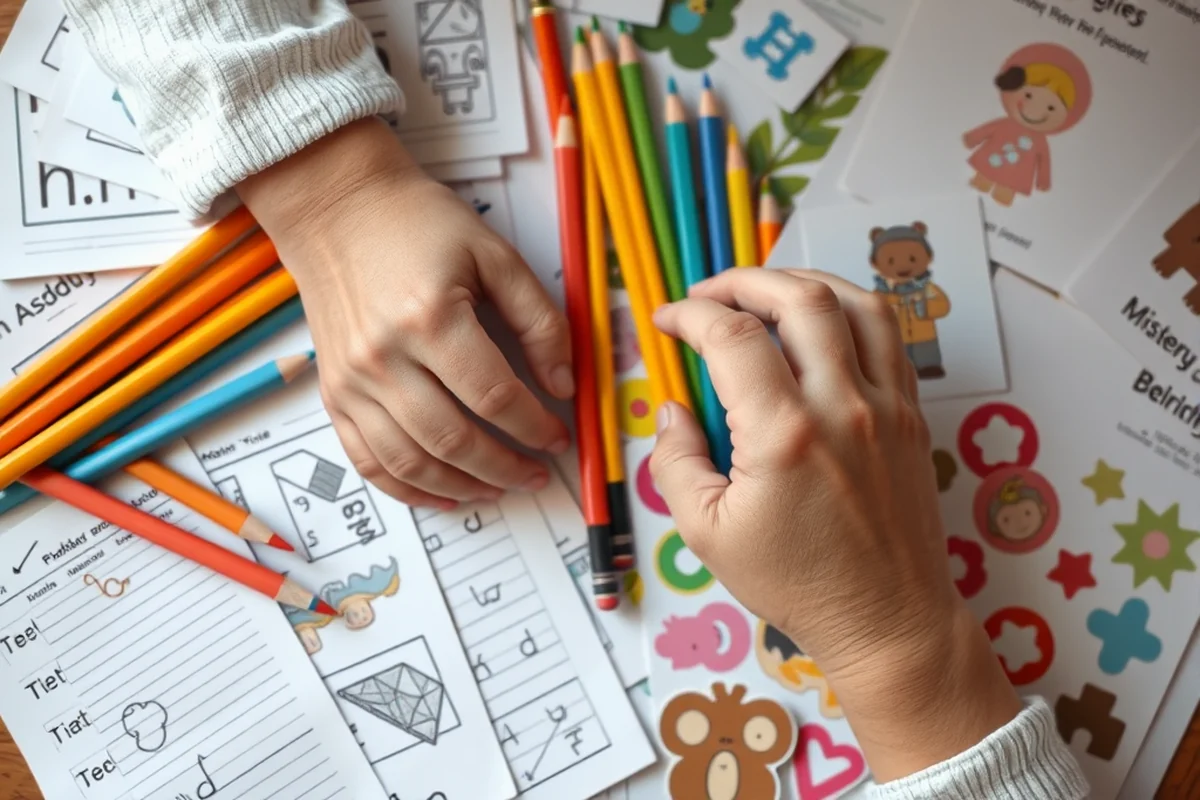
Effective kindergarten preparation involves creating a structured yet engaging learning environment. Experts recommend incorporating play-based learning, which helps children develop social, emotional, and cognitive skills naturally. This approach ensures that children are not only academically ready but also emotionally prepared for the transition to formal schooling.[2]
Another advanced technique is the use of differentiated instruction, where educators tailor lessons to meet the diverse needs of each child. This can include visual, auditory, and kinesthetic learning methods to cater to different learning styles. By doing so, teachers ensure that every child has the opportunity to succeed and feel included in the classroom.
Lastly, fostering strong communication between parents and teachers is crucial for kindergarten success. Regular updates, parent-teacher conferences, and home-school activities can help align expectations and reinforce learning goals. This collaborative approach ensures consistency and supports the child’s overall development both inside and outside the classroom.
Tools, Materials and Resources
A well-stocked kindergarten classroom requires a variety of tools that promote learning through play. Items such as letter blocks, number tiles, and sensory bins are essential for developing early literacy, numeracy, and fine motor skills. These materials should be age-appropriate and designed to encourage exploration and independent learning.
Educational technology tools, such as interactive whiteboards and educational apps, can enhance the learning experience by making lessons more engaging and interactive. These tools also help in personalizing instruction and providing immediate feedback to students, which is crucial for their development.
In addition to physical and digital tools, access to a wide range of books, art supplies, and musical instruments is important for fostering creativity and holistic development. These resources support multiple learning domains, including language, art, music, and physical development, ensuring a well-rounded educational experience for kindergarten students.
Troubleshooting and Common Questions
Parents and educators often encounter challenges such as difficulty with attention, social interaction, or early academic skills. These issues can be addressed through structured routines, play-based learning, and individualized support. Early identification and intervention are key to ensuring a smooth transition into kindergarten.
Frequent questions include how to prepare a child emotionally, what to do if a child is behind peers, and how to foster independence. Open communication with teachers, consistency at home, and age-appropriate activities can help address these concerns effectively.
It's also common to wonder about the role of technology in early education. While digital tools can be beneficial, they should be used in moderation and balanced with hands-on learning. Parents should remain involved and seek guidance from educators to ensure a well-rounded approach to kindergarten readiness.
Getting Started: Your First Steps
The first step in preparing for kindergarten is to familiarize yourself with your state's specific requirements, including age eligibility, documentation, and enrollment deadlines. You can find this information on your local school district’s website or by contacting their office directly.
Next, gather necessary documents such as birth certificates, proof of residency, immunization records, and any previous school records if applicable. Having these documents ready will make the enrollment process smoother and faster.
Finally, reach out to the school or preschool your child will attend to schedule a visit or meet with teachers. This is also a good time to ask about any preparatory activities or resources they recommend to help your child get ready for kindergarten.[4]
🌱 Beginner
The simplest version — minimal supplies, quick win.
💰 Budget
Same result using what you already have.
⚡ Quick
The 10-minute version for busy days.
✨ Advanced
The upgraded version once the basics stick.
| The mistake | Why it happens | The fix |
|---|---|---|
| Assuming all states have the same kindergarten requirements. | Kindergarten requirements vary significantly from state to state, and failing to research local laws can lead to legal or enrollment issues. | Always consult your state’s education department or local school district to understand specific requirements. |
| Neglecting to meet vaccination mandates. | Failure to provide required vaccinations can prevent a child from enrolling in kindergarten and may also pose public health risks. | Ensure your child is up to date on all required vaccinations before enrolling in school. |
| Not preparing a child academically for kindergarten. | Children who are not developmentally ready for kindergarten may struggle socially and academically, which can affect long-term learning outcomes. | Use kindergarten readiness programs, engage in early learning activities, and consult with educators to ensure your child is prepared. |
Common Questions
What is the homeschool curriculum kindergarten Virginia?
What states require standardized testing for homeschoolers?
Do you need a certification to homeschool?
Can a child be enrolled in kindergarten before turning 5?
References
Cite this guide
Geography for Homeschoolers (2026). Kindergarten Requirements. https://maptutors.com/kindergarten-requirements/
Feel free to cite or share this guide.