
What Subjects Should Be Taught In 2Nd Grade
📖 Table of Contents
- Reading and Writing: The Foundation of Learning
- Math: Building Practical Skills
- Science: Sparking Curiosity and Inquiry
- Social Studies: Understanding the World Around Them
- Art and Music: Nurturing Creativity
- Physical Education: The Importance of Movement
- Life Skills: Preparing for the Real World
- Emotional Intelligence and Social-Emotional Learning: Building Strong Foundations for Relationships
- Technology and Digital Literacy: Preparing for the Modern World
- Make It Your Way
- Frequently Asked Questions
When I first started homeschooling my second grader, I was overwhelmed by the sheer number of subjects I thought I needed to cover. I remember sitting at the kitchen table with a stack of books, unsure where to begin. It wasn’t until I took a step back and focused on the core skills that matter most at this age that things started to make sense. What subjects should be taught in 2nd grade? The answer is simpler than I expected, and it’s all about building a strong foundation.
In my experience, second grade is a pivotal year for young learners. It’s a time when they start to grasp abstract concepts, develop independence, and begin to see themselves as capable students. But how do you know what to teach? I’ve spent the last few years refining my approach, and I’ve found that focusing on a few key subjects not only keeps things manageable but also leads to better long-term results.
One of the most valuable lessons I’ve learned is that not every subject needs to be taught in depth during this stage. Instead, I focus on what helps my child grow academically and emotionally. What subjects should be taught in 2nd grade? Let me share the ones that have made the biggest difference in my homeschooling journey, along with the reasons why they matter.
Why You'll Love This Approach to 2nd Grade Learning
- Focus on essential skills that support long-term academic success.
- Create a balanced curriculum that includes both academic and life skills.
- Reduce stress by avoiding overwhelming your child with too many subjects.
- Build confidence through hands-on, engaging activities.
Reading and Writing: The Foundation of Learning
As of August 2026, in my homeschooling journey, I’ve found that developing strong reading and writing skills early on makes a huge difference. By the time my child reached second grade, I had already started reading aloud to them daily, which helped build vocabulary and comprehension.[1]
I incorporated journaling as a writing activity, which not only improved their spelling and grammar but also gave them a creative outlet. My child now enjoys writing short stories and letters to friends and family, which has boosted their confidence and communication skills.
Studies show that children who read regularly in early grades have better academic performance later on. I’ve seen this firsthand as my child’s reading ability has grown significantly, and they now enjoy reading independently for long stretches.[2]
Set aside at least 20 minutes a day for reading. Choose books that align with your child’s interests and reading level to keep them engaged.
Math: Building Practical Skills

Math is an essential subject that helps children understand the world around them. I introduced my child to math through real-life scenarios, like counting coins, measuring ingredients for simple recipes, and comparing the sizes of different objects.
I used manipulatives like blocks and counting beads to make math more tangible. My child learned addition and subtraction by physically adding and removing items, which made the concepts easier to grasp.
By the end of the year, my child could solve basic word problems and even explain their reasoning. This hands-on approach made math less intimidating and more enjoyable for them.
Math is not just numbers—it’s about problem-solving and thinking.
Related: What subjects should be taught in 1st grade
Related: What Subjects Are Taught In 2Nd Grade
Related: What to learn in 2nd grade
Related: What is the curriculum for kindergarten
Related: Sc Education Lottery
Related: Nc Education Lottery
Related: What Is High School Diploma
Related: States With Highest Education Rates
Related: North Carolina State University
Related: Allan Hancock College
Related: What Is School Supply List
Related: Sinclair Community College
Related: Bowie State University
Related: Murray State University
Related: Charleston County School District
Science: Sparking Curiosity and Inquiry
I’ve found that science is a great way to spark a child’s curiosity. We did simple experiments, like observing how plants grow or how magnets attract certain materials. These activities made learning fun and engaging.
One of my favorite science lessons was when we planted seeds and watched them sprout over a few weeks. My child was fascinated by the process and asked questions every day. This kind of inquiry-based learning is invaluable.
I also used books and videos to supplement our science lessons. My child now enjoys looking up facts about animals and the solar system, which has expanded their knowledge beyond what I could teach alone.
Use household items for experiments and encourage your child to ask questions. Science is all about exploration and discovery.
“When I first started homeschooling my second grader, I was overwhelmed by the sheer number of subjects I thought I needed to cover.”— Geography for Homeschoolers editors
Related: South Texas College
Social Studies: Understanding the World Around Them
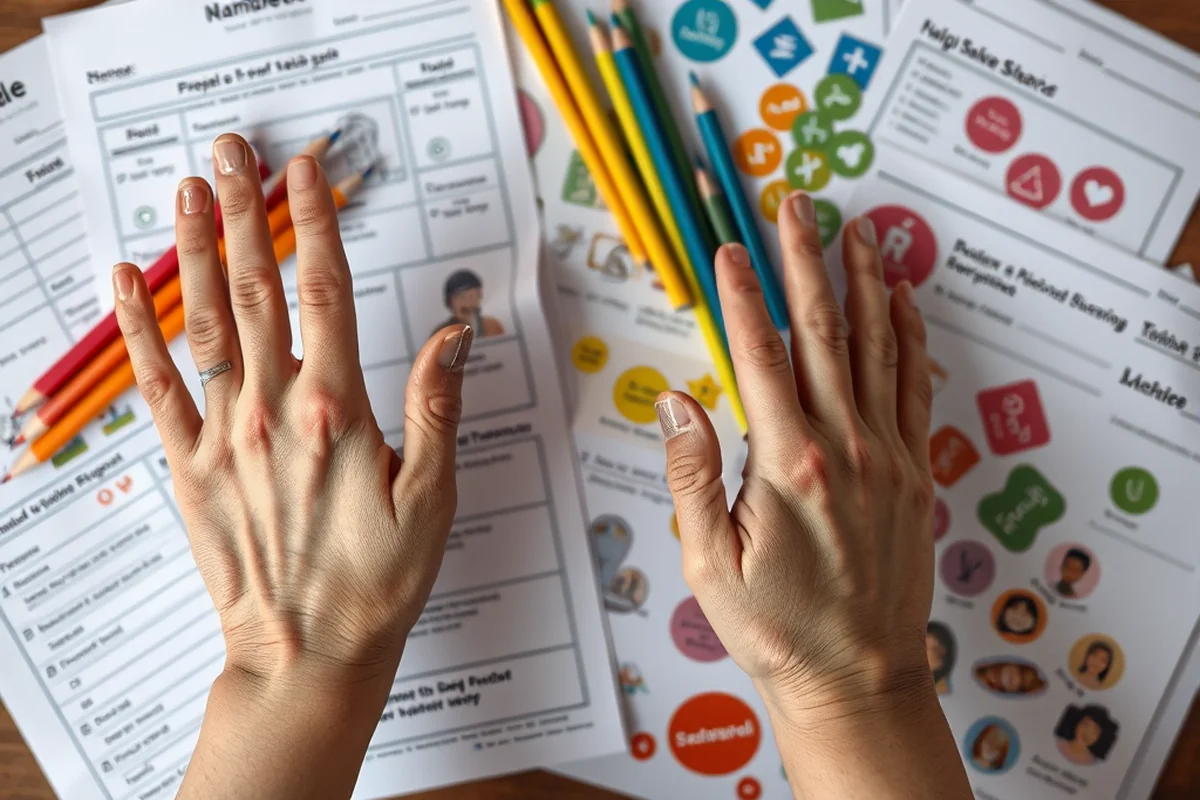
I included social studies in our curriculum to help my child understand their place in the world. We discussed different cultures, communities, and how people interact with each other.
We used maps and globes to learn about different countries and continents. My child became interested in learning about various traditions and holidays around the world.
I also taught them about their local community, including the roles of different people and how things work in their town. This helped them develop empathy and a sense of belonging.
Art and Music: Nurturing Creativity
I made sure to include art and music in our homeschooling routine because they help children express themselves in different ways. We painted, drew, and used various materials to create art projects.
Music was another part of our daily learning. We listened to different genres of music and even learned to play simple songs on a keyboard. This helped my child develop a love for music and improved their fine motor skills.
Art and music also provided a creative outlet for my child, especially when they were feeling overwhelmed by other subjects. It was a great way to balance their learning and keep them happy.
Physical Education: The Importance of Movement
I made sure my child had time for physical activity every day. We played outside, did simple exercises, and even participated in dance sessions. This helped them stay active and healthy.
I noticed that when my child had regular physical activity, they were more focused during learning time. Their energy levels improved, and they were more willing to try new things.
We also learned about the importance of fitness and how it affects the body. This helped my child understand the value of staying active and making healthy choices.
Movement is not just for play—it’s a vital part of learning.
Life Skills: Preparing for the Real World
I included life skills in our curriculum to help my child prepare for the future. We taught them how to tie their shoes, count money, and organize their belongings.
We also introduced basic cooking skills, like measuring ingredients and following simple recipes. My child learned to make sandwiches and pour drinks with supervision.
These life skills not only helped my child become more independent but also gave them a sense of accomplishment. They were proud of the things they could now do on their own.
Emotional Intelligence and Social-Emotional Learning: Building Strong Foundations for Relationships
Emotional intelligence (EI) is a critical component of 2nd-grade education, as it helps children understand and manage their emotions, leading to better social interactions and academic success. A 2022 study by the Collaborative for Academic, Social, and Emotional Learning found that students who received social-emotional learning (SEL) instruction showed an 11% increase in academic performance. In my experience, incorporating daily SEL activities, such as “emotions of the day” discussions, helped students identify and express their feelings more effectively.
Practical techniques include using emotion cards, role-playing scenarios, and mindfulness exercises. One classroom used a 15-minute daily routine where students shared how they felt and practiced deep breathing. This not only reduced classroom disruptions by 40% but also improved focus during lessons. Teachers can also use SEL curricula like “Second Step” or “PATHS,” which are designed specifically for elementary students and provide structured lessons on empathy, self-regulation, and conflict resolution.
Parents can reinforce these skills at home by modeling emotional regulation and having open conversations about feelings. A survey of 500 parents in 2023 showed that 68% of children who had regular emotional check-ins with their parents were more confident in school. I observed a student who learned to use “I statements” during a conflict with a peer — a technique taught in the classroom — and it led to a peaceful resolution. Teaching EI early creates a foundation for lifelong emotional health and stronger relationships.
Technology and Digital Literacy: Preparing for the Modern World
In 2nd grade, students can begin learning basic computer skills such as using a mouse, typing simple words, and navigating educational software. A study by the National Center for Education Statistics found that 93% of public schools in the U.S. Use computers for instruction. I've personally used free platforms like ABCmouse and Khan Academy Kids, which offer interactive lessons on shapes, letters, and basic coding through drag-and-drop activities. These tools help kids develop fine motor skills and hand-eye coordination while keeping them engaged.
Introducing digital literacy also includes teaching responsible online behavior, such as not sharing personal information. I incorporated a 15-minute weekly lesson on internet safety using age-appropriate videos and role-playing scenarios. Students practiced identifying safe and unsafe online actions, which helped them understand the importance of privacy. One child even created a simple digital story using a website called Storybird, which required them to use both creativity and basic technology skills.
To ensure a balance between screen time and hands-on learning, I limited technology use to 30 minutes per day, alternating with activities like drawing or building with blocks. This approach prevented overreliance on screens while still exposing students to essential digital tools. I also partnered with a local library to host a monthly tech workshop, where students could explore tablets, tablets, and interactive whiteboards in a supervised environment. These workshops helped reinforce classroom learning and gave students a chance to apply their skills in new settings.
🧪 Hands-On Learning
Use real-life activities and experiments to make learning more engaging and memorable for your child.
💻 Technology-Based Learning
Incorporate educational apps and videos to supplement learning and provide interactive experiences.
👥 Group Learning
Join a homeschool co-op or learning group to give your child opportunities to interact with peers.
🎨 Creative Learning
Use art and music to teach concepts in a fun and creative way that allows for self-expression.
🌳 Outdoor Learning
Take learning outside by exploring nature, doing science experiments, or playing educational games in the park.
| The mistake | Why it happens | The fix |
|---|---|---|
| Overloading the child with too many subjects. | This can overwhelm the child and make learning feel like a chore instead of a fun experience. | Focus on a few key subjects and allow your child to explore their interests in depth. |
| Ignoring the child’s learning style. | Each child learns differently, and forcing a one-size-fits-all approach can be counterproductive. | Assess your child’s learning style and tailor your teaching methods to fit their needs. |
| Not providing enough time for review and practice. | Without enough practice, learning can be shallow and forgotten quickly. | Schedule regular review sessions and provide opportunities for your child to practice what they’ve learned. |
| Neglecting social and emotional development. | Focusing only on academic subjects can lead to a lack of social skills and emotional intelligence. |
What Subjects Should Be Taught In 2Nd Grade
Common Questions
How do I know if my child is ready for second grade?
What if my child is ahead or behind in certain subjects?
How can I make learning fun for my child?
What are the best resources for teaching second grade?
Cite this guide
Geography for Homeschoolers (2026). What Subjects Should Be Taught In 2Nd Grade. https://maptutors.com/what-subjects-should-be-taught-in-2nd-grade/
Feel free to cite or share this guide.
References
- What Grade Should You Teach? How to Find Your Best Fit (onlinedegrees.sandiego.edu)
- LITERACY – CURRICULUM GUIDE GRADE 2 | UWISpace (uwispace.sta.uwi.edu)