
What Is A Homeschool Curriculum
📖 Table of Contents
- What Is a Homeschool Curriculum?
- Choosing the Right Homeschool Curriculum
- How Homeschool Curricula Are Structured
- The Importance of Flexibility in a Homeschool Curriculum
- How to Evaluate a Homeschool Curriculum
- The Role of Parent Involvement in a Homeschool Curriculum
- The Benefits of a Well-Designed Homeschool Curriculum
- Make It Your Way
- Frequently Asked Questions
When my son turned 7, I realized that the school system we had always relied on wasn’t the right fit for his learning style. We had always been on the edge of homeschooling, but it wasn’t until a teacher suggested a structured curriculum that we actually felt prepared. The term ‘homeschool curriculum’ had always felt vague and confusing, but once we had a clear definition and a plan, the journey became much easier. Today, I want to walk you through exactly what a homeschool curriculum is, how it works, and why it can be a game-changer for your family’s education.[2]
A homeschool curriculum is more than just a collection of books or lesson plans—it’s the roadmap that guides your child’s entire educational experience. It covers subjects like math, science, language arts, and history, and it does so in a way that fits your family’s values, learning goals, and lifestyle. For us, the curriculum wasn’t just about academics; it was also about fostering curiosity, creativity, and critical thinking. It became the heart of our home learning environment, and it helped us feel confident and in control of our child’s education.[3]
If you're new to homeschooling or even considering it, understanding what a homeschool curriculum is can be the first step toward creating a learning environment that works for your child. A curriculum gives you a clear structure, but it also offers flexibility. In our experience, it’s possible to blend traditional textbooks with hands-on projects, field trips, and digital resources. The key is to find a curriculum that aligns with your child’s learning needs and your family’s unique situation. That’s what I hope to help you discover in this article.[4]
Why You'll Love This Homeschool Curriculum
- Provides a clear structure for your child’s learning journey
- Offers flexibility to adapt to your family's unique needs
- Includes a variety of teaching methods and resources
- Empowers you as the parent and educator
What Is a Homeschool Curriculum?
As of September 2026, a homeschool curriculum is a comprehensive plan that outlines the subjects, learning objectives, and instructional methods used to teach your child. It can include textbooks, workbooks, online resources, and teacher guides. For us, it was a mix of core subjects like math and reading, along with character education and life skills. We found that having a curriculum helped us stay on track and ensure that our child was learning essential skills.
One of the best things about a curriculum is that it gives you a clear direction. It helps you plan out each school day, week, and term without feeling overwhelmed. For example, our curriculum included daily math practice, weekly science experiments, and monthly history projects. It was a balance of structure and flexibility that made learning enjoyable for our child and manageable for us.
It’s important to choose a curriculum that aligns with your family’s values and your child’s learning style. Some curricula are more traditional, while others are project-based or hands-on. We found that a blend of both worked best for us, and it allowed our child to explore subjects in a way that felt natural and engaging.
Try a free sample from a curriculum you're interested in to see if it fits your family's needs and learning style.
Part of our Homeschool programs guide.
Choosing the Right Homeschool Curriculum

When we started homeschooling, we knew we needed a curriculum that would meet our child’s needs but also allow us to be flexible. We looked for curricula that offered multiple teaching methods, such as video lessons, printable worksheets, and hands-on activities. We also made sure to choose a curriculum that aligned with our family’s values, such as character education and a focus on real-world skills.
It's important to consider your teaching experience and comfort level. If you're new to homeschooling, a more structured curriculum with teacher guides and step-by-step instructions might be better for you. If you're more experienced, you might prefer a curriculum that offers flexibility and allows you to customize the lessons.
We also looked at the age range of the curriculum. We found that curricula designed for children aged 3-6 were more engaging, with colorful visuals and interactive activities. For older children, we looked for curricula that were more rigorous and included more in-depth content.
The right curriculum is like a good map—it guides you, but it also allows you to explore.
Related: What is homeschool travel deals
How Homeschool Curricula Are Structured
Most homeschool curricula are organized by subject, with each subject having its own set of lessons, materials, and assessments. For example, a math curriculum might include daily worksheets, weekly reviews, and periodic assessments. A science curriculum might include experiments, projects, and field trip suggestions. This structure helps you stay organized and ensures that your child is learning all the necessary skills.
We found that curricula with clear learning objectives were the most helpful. These objectives outlined exactly what our child was expected to learn by the end of each unit. This made it easier for us to track progress and ensure that our child was on track. We also appreciated the inclusion of assessments, which helped us identify areas where our child needed more support.
Some curricula also include parent guides with detailed lesson plans and teaching tips. These guides were invaluable for us, especially when we were first starting out. They helped us understand how to teach each subject effectively and provided us with confidence as educators.
A curriculum with clear learning objectives helps you track your child’s progress and ensure that they are meeting educational benchmarks.
“When my son turned 7, I realized that the school system we had always relied on wasn’t the right fit for his learning style.”— Geography for Homeschoolers editors
Related: Top rated homeschool programs
The Importance of Flexibility in a Homeschool Curriculum
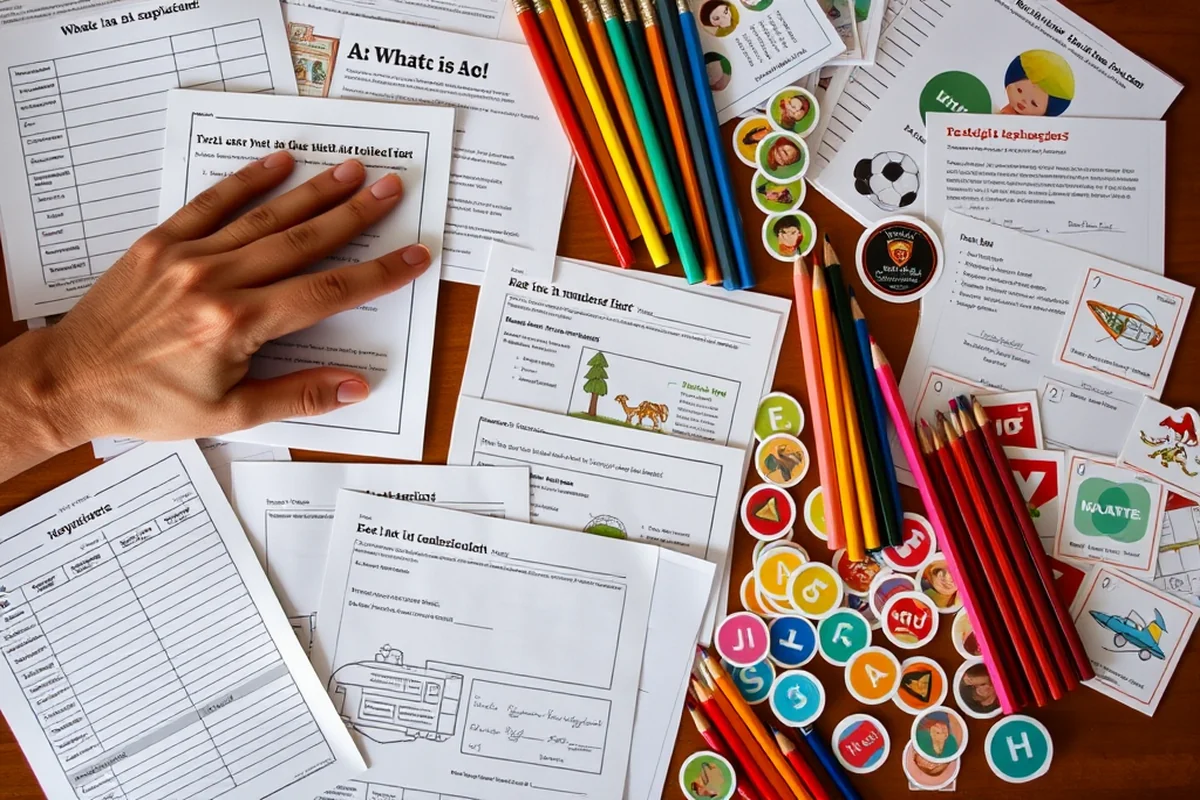
One of the biggest benefits of a homeschool curriculum is its flexibility. Unlike a traditional school setting, you can tailor the curriculum to fit your child’s learning style and your family’s schedule. For example, if your child is a visual learner, you might choose a curriculum with lots of diagrams and videos. If your child is more hands-on, you might choose a curriculum with more experiments and projects.
We found that flexibility was especially important when we were juggling work and homeschooling. We were able to adjust our daily schedule to accommodate our child’s needs without feeling overwhelmed. For example, on days when our child was tired, we would focus on shorter lessons or switch to a more relaxed activity.
Flexibility also allows you to take advantage of learning opportunities as they arise. For example, if you’re visiting a museum or going on a field trip, you can incorporate that experience into your child’s learning. This type of real-world learning is incredibly valuable and makes education more meaningful.
Related: Types of homeschool programs
How to Evaluate a Homeschool Curriculum
When evaluating a homeschool curriculum, it’s important to consider how well it aligns with your child’s learning style and your family’s educational goals. For example, if your child is a kinesthetic learner, a curriculum that includes hands-on activities and experiments might be more effective. If your child is a visual learner, a curriculum with lots of diagrams, videos, and colorful visuals might be better.
We also looked at how well the curriculum fit our teaching style. If we were more hands-on and project-based, we preferred curricula that included more activities and experiments. If we were more structured, we preferred curricula with detailed lesson plans and assessments.
It’s also important to consider the curriculum’s cost and availability. Some curricula are more expensive, while others are more affordable or even free. We found that many curricula offer free samples or trial periods, which allowed us to test them before committing to a purchase.
Related: Highest rated homeschool programs
The Role of Parent Involvement in a Homeschool Curriculum
Parent involvement plays a significant role in the success of a homeschool curriculum. As a parent, you are your child’s primary teacher, and your involvement can make a big difference in their learning experience. Whether you're helping them with their math homework, reading to them, or discussing their science experiments, your participation is essential.
We found that being actively involved in our child’s learning helped us build a stronger connection with them and made education more enjoyable. We also found that our child was more motivated when we were involved in their learning. For example, when we helped them with their math homework, they were more likely to stay focused and complete their work.
Parent involvement also allows you to tailor the curriculum to your child’s unique needs. If your child is struggling with a particular subject, you can provide additional support or adjust the curriculum to meet their needs. This personalized approach helps ensure that your child is receiving the best possible education.
Your involvement as a parent is the foundation of a successful homeschool curriculum.
Related: Homeschool programs for 3rd grade
The Benefits of a Well-Designed Homeschool Curriculum
A well-designed homeschool curriculum offers a balance of structure and flexibility, making it easier for your child to learn and for you to teach. It provides a clear roadmap for your child’s education while also allowing you to adapt to their unique needs. For example, our curriculum allowed us to stay on track with our child’s learning while also giving us the freedom to adjust lessons when needed.
One of the biggest benefits of a well-designed curriculum is that it covers all the essential subjects and skills your child needs to succeed. It includes math, science, language arts, history, and more. It also includes life skills such as character education, financial literacy, and social skills, which are just as important as academic subjects.
A well-designed curriculum also helps you save time and reduce stress. It provides you with detailed lesson plans, assessments, and teaching resources, which makes it easier for you to focus on teaching rather than planning. This is especially helpful for parents who are juggling work and homeschooling.
🎒 Younger Kids
Curricula for younger children focus on play-based learning, with lots of hands-on activities and colorful visuals.
📚 Older Kids
Curricula for older children are more rigorous, with a focus on critical thinking, problem-solving, and in-depth study of subjects.[1]
✨ No-Prep
No-prep curricula are designed to be easy to use, with minimal preparation and setup required.
🤝 Group Version
Group curricula are designed for use with multiple children, making it easier for families with more than one child to homeschool.
🌟 Extension
Extension curricula are designed to supplement other curricula, adding depth and additional learning opportunities.
| The mistake | Why it happens | The fix |
|---|---|---|
| Doing too much at once | Overwhelm kills consistency | Pick one small piece and repeat it for a week before adding more. |
| Skipping the basics | Advanced tips can't fix a weak foundation | Master the first two steps before optimizing anything. |
What Is A Homeschool Curriculum
Common Questions
What are the main components of a homeschool curriculum?
How do I choose the right curriculum for my child?
Can I mix and match curricula from different providers?
How much time should I expect to spend on a homeschool curriculum?
References
- Homeschooling? - KY Legislature (apps.legislature.ky.gov)
- Home-Based Private Education Program (Homeschooling) (dpi.wi.gov)
- Homeschooling Resources | Fort Bend County Libraries (fortbendlibraries.gov)
- Indiana Department of Education: Homeschool Help Sheet - IN.gov (in.gov)
Cite this guide
Geography for Homeschoolers (2026). What Is A Homeschool Curriculum. https://maptutors.com/what-is-a-homeschool-curriculum/
Feel free to cite or share this guide.