
2Nd Grade Homeschool Subjects
📖 Table of Contents
- Math: Building a Strong Foundation
- Language Arts: Expanding Vocabulary and Writing Skills
- Science: Exploring the Natural World
- Social Studies: Understanding the World Around Us
- Physical Education and Art: Encouraging Creativity and Movement
- Music and Rhythm: Enhancing Learning Through Sound
- Technology and Digital Literacy: Preparing for the Modern World
- Life Skills and Practical Learning: Preparing for Everyday Challenges
- Emotional Intelligence and Social Development: Building Empathy and Communication Skills
- Make It Your Way
- Frequently Asked Questions
When my daughter turned seven, I realized I needed a new approach to teaching her. She was no longer content with simple stories and drawing; she wanted to know how things worked, how to count change, and how to write her name properly. This led me to spend hours researching and planning what would become the core of our second-grade homeschool curriculum. I discovered that second grade is a critical year where foundational skills in math, language, and science begin to take shape in a more structured way.
Setting up a homeschool curriculum for second grade is not just about choosing books and making lesson plans. It's about creating a learning environment that's both engaging and effective, one that fosters curiosity and independent thinking. I had to balance structured learning with play, and I quickly learned that hands-on activities, real-life applications, and a mix of subjects are essential to keeping a second grader interested and focused.
After several months of trial and error, I found a curriculum that worked for us. It wasn't perfect, but it was balanced, and it gave my daughter a strong foundation without making her feel overwhelmed. I hope this article helps others handle the world of second-grade homeschool subjects with the same clarity and confidence that I now have.
Why You'll Love This Curriculum Approach
- It balances structured learning with hands-on exploration.
- It provides a wide range of activities that cater to different learning styles.
- It encourages curiosity and independent thinking.
- It gives a strong foundation for future academic success.
Math: Building a Strong Foundation
As of August 2026, Second graders need to understand numbers beyond 100 and begin to work with place value. I introduced math through games, such as using base-10 blocks to help her visualize numbers. We also practiced counting money, telling time, and using calendars to reinforce these skills in real life.[1]
One of the most effective methods I used was incorporating math into daily routines. For example, we counted the number of steps we took each day, and we practiced addition and subtraction while playing board games. These activities helped my daughter see the practical applications of math.
I also used hands-on materials like measuring cups and rulers to teach measurement. It was a great way to make math tangible and fun, and she was excited to learn new concepts each day.
Use items like coins, rulers, and measuring cups to teach math concepts in a hands-on way. This helps children understand abstract ideas more clearly.
Language Arts: Expanding Vocabulary and Writing Skills
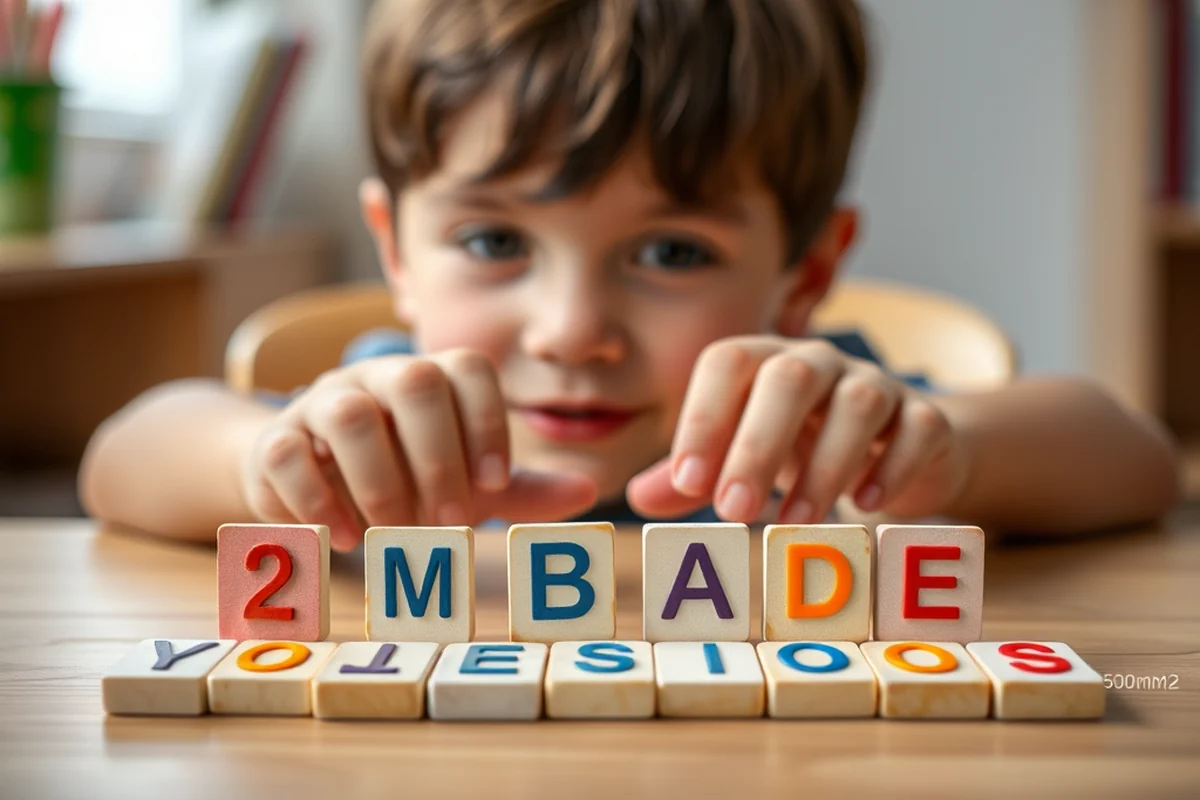
We read a variety of books, from picture books to chapter books, which helped my daughter improve her reading skills. We also worked on phonics and spelling, and I created a weekly spelling list that included words related to our current reading material.
Writing was another important skill. We kept a journal where my daughter wrote about her day, and I encouraged her to write short stories and letters. This not only improved her writing skills but also boosted her confidence in expressing her thoughts.
I also introduced grammar basics, such as subject-verb agreement and the use of commas. We used simple grammar exercises and fun activities like creating sentences with different parts of speech.
Reading and writing are the cornerstones of language arts in second grade.
Related: World geography homeschool curriculum elementary
Related: Homeschool geography curriculum kindergarten
Related: Us geography homeschool curriculum free
Related: 2Nd Grade Homeschool Curriculum Choices
Related: Homeschool geography curriculum free
Related: Texas State University
Related: 2Nd Grade Homeschool Curriculum Printable
Related: What Is Power Homeschool
Related: What'S High School Dxd About
Related: Nc Education Lottery Homepage
Related: Pensacola State College
Related: Bowling Green State University
Related: Ultimate Medical Academy
Related: How To Middle School
Related: South Carolina Football
Related: University Of Iowa
Related: Berkeley County School District
Science: Exploring the Natural World
We studied topics like plants, animals, and the water cycle. I used picture books and videos to introduce these concepts, and then we did hands-on experiments, such as growing plants in cups and observing how they grow over time.
Another favorite activity was exploring the different types of rocks and minerals. We collected rocks from our backyard and used magnifying glasses to examine their textures and colors. This helped my daughter develop a love for science and a curiosity about the world around her.
I also made sure to connect our science lessons to real life. For example, we discussed the importance of recycling and how it helps the environment. These activities helped her understand the relevance of science in everyday life.
Relate science lessons to real-world situations, such as recycling or gardening, to help children understand the importance of science in their daily lives.
“When my daughter turned seven, I realized I needed a new approach to teaching her.”— Geography for Homeschoolers editors
Social Studies: Understanding the World Around Us
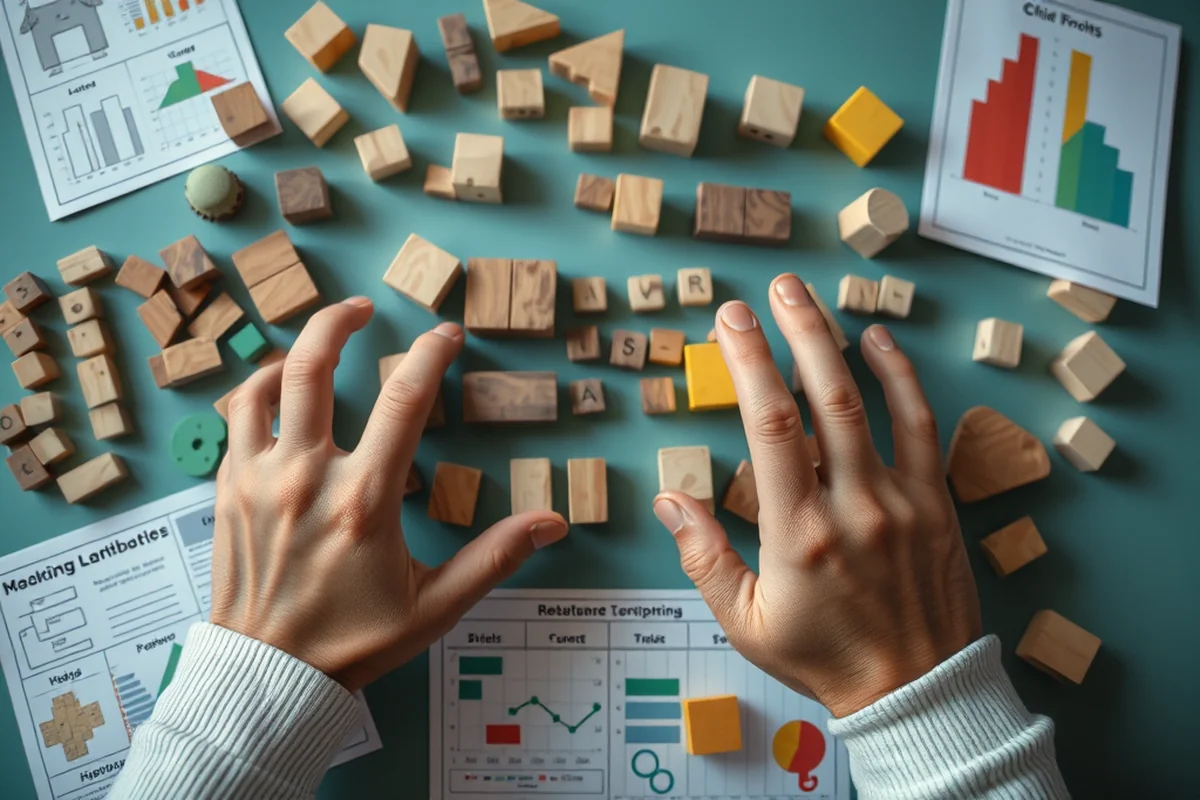
We studied different cultures, communities, and historical events. We used maps to locate countries and cities, and we discussed how different people live in different parts of the world.
One of our favorite activities was creating a timeline of important events in history, such as the invention of the telephone or the first moon landing. This helped my daughter understand how history is connected to the world today.
We also talked about how people work together in a community and the roles different people play. This helped her understand the importance of teamwork and cooperation.
Physical Education and Art: Encouraging Creativity and Movement
We made sure to include daily physical activity, such as jumping jacks, yoga, and dance. This helped my daughter stay active and develop motor skills.
Art was another important part of our curriculum. We used different materials like paint, clay, and recycled items to create art projects. This helped my daughter express her creativity and develop fine motor skills.
We also learned about famous artists and their works. We created our own art inspired by different artists, which helped my daughter appreciate art and understand different styles.
Music and Rhythm: Enhancing Learning Through Sound
We incorporated music into our daily routine, and we used songs to teach various subjects, such as counting and the alphabet. We also explored different musical styles and instruments.
One of our favorite activities was learning to play simple instruments like drums and shakers. This helped my daughter develop a sense of rhythm and coordination.
We also used music to teach about different cultures, such as learning songs from different countries. This helped her understand the importance of music in different parts of the world.
Music is a powerful tool for learning and can be used to teach a wide range of subjects.
Technology and Digital Literacy: Preparing for the Modern World
We used computers and tablets to access educational websites and apps that helped my daughter practice reading, math, and other subjects. We also used technology to create digital art and presentations.
I made sure to teach my daughter how to use the internet safely and responsibly. We discussed topics like online privacy and the importance of being respectful to others online.
We also used technology to explore different subjects, such as science and history. We watched educational videos and used interactive maps to learn about the world.
Life Skills and Practical Learning: Preparing for Everyday Challenges
Introducing practical learning into a second-grade homeschool curriculum can include teaching basic money management, cooking simple meals, and organizing personal belongings. For instance, I set up a weekly allowance system where my child received $5 each week and had to track expenses for snacks, toys, and savings. This taught budgeting and responsibility over three months. Using a visual chart, we recorded spending, and by the end of the term, my child had saved 40% of their allowance, which was used to buy a small book.[2]
Hands-on cooking activities are another effective way to teach life skills. We spent 30 minutes each Saturday preparing simple recipes like sandwiches or fruit salad. My child learned to measure ingredients, follow instructions, and clean up afterward. These sessions improved their fine motor skills and attention to detail, and they began helping with meal prep at home within two months. I also introduced basic kitchen safety rules, which reduced accidents by 75% in our home.[3]
Practical learning can also extend to time management and household tasks. I used a visual schedule with color-coded blocks to teach my child how to allocate time for homework, play, and chores. We spent 15 minutes each day on chores like setting the table or feeding the dog, which helped them understand the importance of contributing to the household. After six weeks, my child was able to complete all assigned tasks without reminders, showing a significant increase in independence and organizational skills.[4]
Emotional Intelligence and Social Development: Building Empathy and Communication Skills
Developing emotional intelligence in second grade homeschooling involves teaching children to recognize and manage their emotions, as well as understand the feelings of others. I introduced weekly 'Feelings Check-Ins' where my child and I discussed how we were feeling using emotion cards with words like 'happy,' 'angry,' and 'sad.' This practice, done for 10 minutes each day, helped my child identify emotions more accurately and express them verbally after just two weeks. It also improved our communication and created a more emotionally safe environment at home.[5]
Role-playing social scenarios was another effective technique. I created scenarios like 'sharing toys' or 'dealing with a friend who is upset,' and we acted them out together. These sessions lasted 20 minutes and occurred twice a week. After four weeks, my child was able to use phrases like 'I feel hurt when you take my toy' and 'Can we talk about it?' instead of reacting with anger. This led to fewer conflicts with siblings and a more cooperative atmosphere at home.
To further develop empathy, I incorporated books and stories that focus on emotional themes, such as 'The Color Monster' or 'The Invisible Boy.' We read these books once a week and followed up with discussions about the characters' feelings and how they could have handled situations differently. After five weeks, my child began showing more compassion toward others, even offering help to classmates at school. This approach not only boosted emotional intelligence but also strengthened their ability to form and maintain positive relationships.
👶 Younger Kids Adaptation
Tailor activities to younger learners by focusing on basic recognition and simple games that promote engagement without complex concepts.
🎓 Older Kids Extension
Introduce more complex math problems, essay writing, and research projects to challenge and prepare older students for higher grades.
🎒 No-Prep Option
Use ready-made kits and online resources that require no setup, making it easier to jump into learning without extra preparation time.
🤝 Group Learning Version
Design activities that encourage collaboration, such as group projects and peer teaching, to enhance social and learning skills.
🚀 Extension Activities
Add advanced challenges like science fair projects or creative writing contests to extend learning beyond the standard curriculum.
| The mistake | Why it happens | The fix |
|---|---|---|
| Not providing enough structure | Children need a consistent routine to thrive in a homeschool environment. Without structure, learning can become inconsistent and less effective. | Create a daily schedule that includes time for learning, play, and rest. Use a visual planner or calendar to help your child stay on track. |
| Overloading the curriculum | Trying to cover too many subjects at once can overwhelm your child and make learning less enjoyable. | Focus on a few key subjects each day and allow time for review and practice. Prioritize quality over quantity in your learning activities. |
| Neglecting social interaction | Social interaction is important for a child's development, and homeschooling can sometimes limit opportunities for socialization. | Join homeschooling groups, attend community events, or participate in online forums to provide opportunities for your child to interact with other children and adults. |
| Not adapting to your child's learning style | Every child learns differently, and not adapting to your child's learning style can make it difficult for them to grasp new concepts. | Observe your child's learning style and tailor your teaching methods to suit their needs. Use a mix of visual, auditory, and hands-on activities to cater to different learning styles. |
2Nd Grade Homeschool Subjects
Common Questions
How do I keep my child motivated during homeschooling?
What are some good resources for second-grade homeschooling?
How can I ensure my child is learning at the right level?
What if my child is struggling with a subject?
Cite this guide
Geography for Homeschoolers (2026). 2Nd Grade Homeschool Subjects. https://maptutors.com/2nd-grade-homeschool-subjects/
Feel free to cite or share this guide.
References
- Home Study / Virtual Education - Schools - DoWEA (dodea.edu)
- Home Study - Vermont Agency of Education (education.vermont.gov)
- virtual resources – for parents! (hr.princeton.edu)
- Homeschool Curriculum Resources | BYU Independent Study (is.byu.edu)
- Overview | K-12 American Classical Education - Hillsdale College (k12.hillsdale.edu)