
Safe Home Study
📖 Table of Contents
- Organizing Your Learning Space
- Setting Up for Safety During Hands-On Learning
- Creating a Comfortable Learning Environment
- Managing Distractions in the Learning Space
- Incorporating Technology Safely
- Supporting Different Learning Styles
- Maintaining a Consistent Routine
- Make It Your Way
- Frequently Asked Questions
I remember the first time my child brought a science experiment home from school — it was a simple vinegar and baking soda volcano. It made me realize just how crucial it is to have a safe, structured space for learning at home. Safe home study isn't just about avoiding spills or broken glass; it's about creating an environment where curiosity can flourish without risk. As a homeschooling parent, I quickly learned that the right setup can transform a cluttered kitchen table into a learning hub that feels both secure and inspiring.[1]
Over the past few years, we've turned our living room into a multifunctional learning zone, complete with soft lighting, organized storage, and designated workstations. It's not about buying expensive furniture or elaborate setups — it's about understanding the small, everyday choices that contribute to a safe home study space. For instance, I've found that just adding a simple floor mat and a few cushioned chairs can make a big difference in comfort and safety, especially during long study sessions.
Safe home study isn't a one-size-fits-all approach. It requires thoughtful planning and a deep understanding of your child's needs, learning style, and the potential hazards of certain activities. Whether you're dealing with messy art projects, science experiments, or reading time, creating a space that is both engaging and secure can make all the difference in your child's educational experience. I've tested numerous methods and learned that the most effective setups often combine practicality with a touch of creativity. (2568, pmc.ncbi.nlm.nih.gov)[2]
Why You'll Love This Safe Home Study Setup
- Encourages focused learning with minimal distractions
- Reduces the risk of accidents during hands-on activities
- Supports diverse learning styles with adaptable furniture
- Promotes a sense of security and comfort for your child
Organizing Your Learning Space
As of October 2026, I've found that the key to a safe home study is in the details — from clear storage bins for supplies to designated areas for different types of learning. When I first started organizing our space, I used a simple labeling system with color-coded bins for art, reading, and STEM activities. This not only helped my child find what they needed quickly but also reduced the chance of mixing up materials that could be unsafe to use together. (40%, insurance.ca.gov)[3]
Another important step I took was to create a dedicated learning nook that was separate from high-traffic areas of the house. This allowed my child to focus on their work without being interrupted or distracted by other family members. I also made sure to keep all potentially hazardous materials, such as scissors and glue sticks, in a locked cabinet out of reach.
To ensure that our setup remained safe over time, I regularly evaluated the space for any hazards or clutter that could impede learning. Simple adjustments, like adding a soft rug to cushion falls or using non-slip mats under art supplies, made a noticeable difference in the overall safety of the space.
Assign each color to a specific type of activity or material, making it easier for your child to find what they need and avoid mixing potentially dangerous items.
Setting Up for Safety During Hands-On Learning
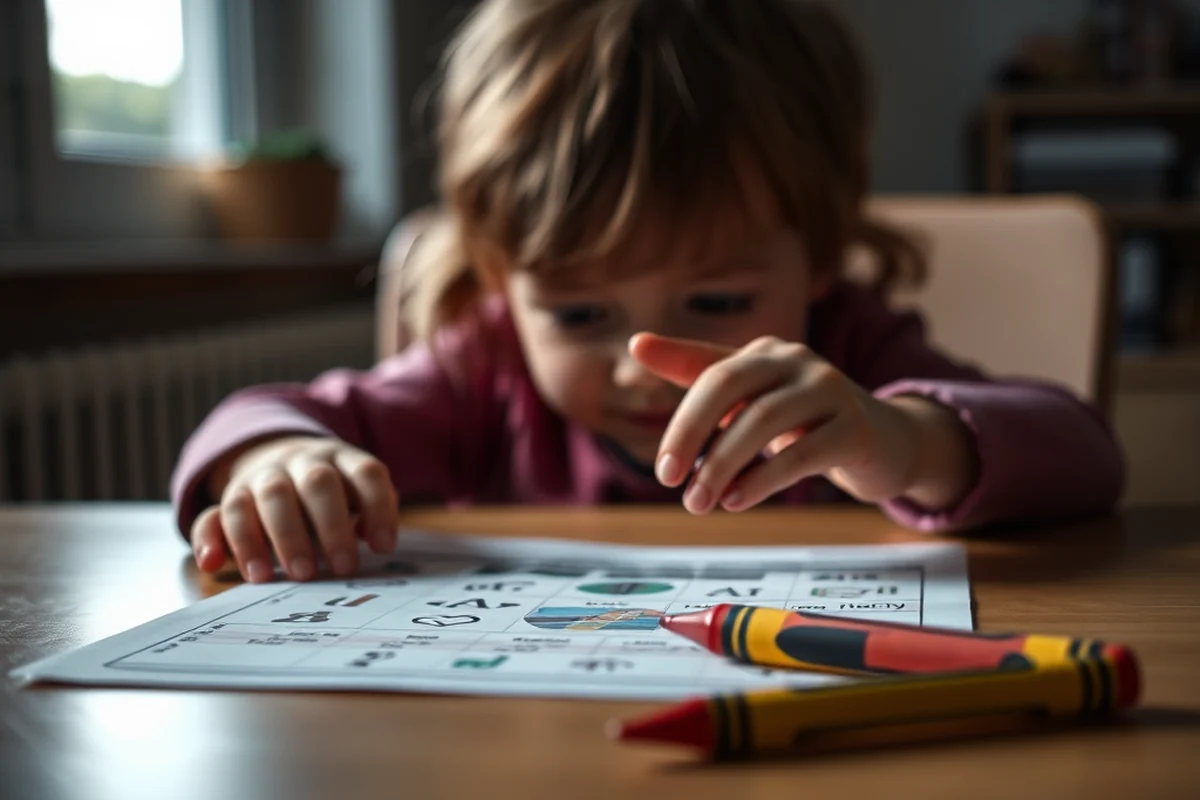
When we started doing more hands-on science experiments, I realized that the most effective way to ensure safety was to have clear guidelines in place. For instance, we created a 'safe zone' on the floor where all experiments took place, and I made sure that all materials were non-toxic and age-appropriate. This helped prevent accidents and kept our child focused on the learning rather than the risks.
I also invested in child-friendly tools, such as rounded-edged scissors and non-toxic glue sticks, which made our experiments safer. Also, I always kept a first-aid kit nearby and made sure that my child knew where it was located in case of any minor injuries. This simple step helped reduce my anxiety and gave me peace of mind.
One of the most important lessons I've learned is that safety doesn't mean limiting creativity — it means setting the right boundaries. By using protective gear like aprons and goggles during experiments, we managed to keep our child safe while still allowing them to explore and learn in a hands-on way.
Safety isn't about limiting creativity — it's about creating the right boundaries.
Related: Where to watch off campus
Creating a Comfortable Learning Environment
I quickly learned that a child's ability to concentrate on their learning is directly tied to their comfort level. When we first set up our home study area, I focused on creating a space that was not only safe but also inviting. I chose soft, ergonomic chairs and added a warm, adjustable desk lamp that provided good lighting without being harsh on the eyes.
Another key aspect was incorporating personal touches that made the space feel like a special place for learning. We added a small plant and a few motivational posters that my child loved. This helped create a positive association with the learning environment and made it more enjoyable for them.
I also made sure that the space was at the right height for my child, allowing them to sit comfortably without straining their neck or back. This small adjustment made a big difference in their ability to focus and engage with their work.
Include items that make the learning environment feel unique and special to your child, such as motivational posters or a small plant.
“I remember the first time my child brought a science experiment home from school — it was a simple vinegar and baking soda volcano, but…”— Geography for Homeschoolers editors
Related: The off campus book series
Managing Distractions in the Learning Space
I've found that one of the biggest challenges in creating a safe home study space is managing distractions. To address this, I made sure that our learning area was as quiet and focused as possible. We avoided placing the space near high-traffic areas or near the TV, which helped reduce noise and interruptions.
Another step I took was to use visual cues to help my child stay on task. For instance, I created a simple checklist of activities to complete during each study session. This not only helped keep my child focused but also gave them a sense of accomplishment as they completed each task.
I also made sure to keep the space clutter-free, as too much distraction can hinder learning. Regularly decluttering the area helped maintain a sense of calm and made it easier for my child to focus on their work without being overwhelmed by their surroundings.
Related: Homeschool work area ideas
Incorporating Technology Safely
I've discovered that integrating technology into a safe home study space can be both beneficial and challenging. To ensure that my child used technology responsibly, I set up a dedicated learning station with a child-friendly laptop and a parental control system that limited access to inappropriate content.
I also made sure that screen time was balanced with other types of learning. For instance, we used educational apps during short study sessions, but I always encouraged breaks to stretch and move around. This helped maintain a healthy balance between technology and traditional learning methods.
Another important step was to set clear boundaries for technology use. For example, I established a rule that screens could only be used during specific times of the day. I made sure that my child understood the importance of taking regular breaks to avoid eye strain and fatigue.
Related: Homeschool study area ideas 2
Supporting Different Learning Styles
I've found that one of the most effective ways to support different learning styles is to create a flexible space that can be easily adjusted based on your child's needs. For example, we used modular furniture that allowed us to rearrange the space as needed, whether for a quiet reading session or an active hands-on experiment.
I also incorporated a variety of learning materials, such as books, puzzles, and art supplies, to cater to different learning preferences. This helped my child explore different subjects in a way that felt natural and engaging.
By offering a range of learning experiences, I was able to create a space that was not only safe but also inclusive of all learning styles, ensuring that my child could learn and grow in a way that suited them best.
A safe home study space should be as flexible as the child who uses it.
Related: Small homeschool area ideas
Maintaining a Consistent Routine
I've come to understand that a consistent routine is essential for both safety and learning. By establishing a predictable schedule for study sessions, my child was able to focus better and feel more secure in their learning environment.
To maintain consistency, I created a simple weekly planner that outlined our study times and activities. This helped my child know what to expect and made it easier for us to stay on track. We also made sure to keep our learning space tidy at the end of each session, which helped reinforce the routine.
Over time, I noticed that a consistent routine not only improved my child's focus but also helped them develop a sense of responsibility and self-discipline. This, in turn, made our home study space even safer and more effective for learning.
🧩 Younger Kids
Use sensory-friendly materials and simple, child-sized furniture to create a safe and engaging environment for early learners.
📚 Older Kids
Create a more structured and independent learning space with desks, bookshelves, and minimal distractions for teens and older children.
🛋️ No-Prep Setup
Use existing furniture and simple organization techniques to create a safe learning space with no additional preparation or cost.
👥 Group Version
Set up a collaborative learning space with shared tables, storage systems, and designated areas for group activities and discussions.
🎨 Extension Activities
Add hands-on extension activities like science experiments, art projects, and interactive games to enrich the learning experience.
| The mistake | Why it happens | The fix |
|---|---|---|
| Ignoring the height of the furniture | Using furniture that is not at the right height can lead to poor posture, strain, and discomfort for your child. | Choose furniture that is at the correct height for your child, ensuring that they can sit comfortably without straining their neck or back. |
| Overlooking safety during hands-on activities | Failing to set up a safe environment for hands-on learning can lead to accidents and injuries. | Create a dedicated 'safe zone' for experiments, use child-friendly tools, and always keep a first-aid kit nearby. |
| Not managing technology use effectively | Excessive screen time can lead to eye strain, fatigue, and a lack of focus in learning. | Set clear boundaries for technology use, limit screen time, and balance it with other learning activities. |
| Creating a cluttered space | A cluttered learning environment can be distracting and may even pose a safety risk to your child. | Keep the space tidy and declutter it regularly to maintain a calm, focused environment that supports learning. |
Safe Home Study
Common Questions
How can I keep my child safe during science experiments at home?
What are some ways to make my home study space more comfortable for my child?
How can I manage distractions in my child's learning area?
What should I do if my child is using technology for learning?
References
- What Will Your Child Remember About Kindergarten? - | dcps (dcps.dc.gov)
- Designing a trauma informed service to deliver trauma therapy with ... (pmc.ncbi.nlm.nih.gov)
- Landmark study shows rebuilding Los Angeles to wildfire safety ... (insurance.ca.gov)
Cite this guide
Geography for Homeschoolers (2026). Safe Home Study. https://maptutors.com/safe-home-study/
Feel free to cite or share this guide.