Is Off Campus On A Book
📖 Table of Contents
- The Power of Reading Beyond the Classroom
- Why Books Work So Well in Homeschooling
- How to Make the Most of Reading Off Campus
- The Role of Libraries in Off-Campus Learning
- How to Choose the Right Books for Off-Campus Learning
- The Benefits of Reading in Diverse Environments
- How to Keep Track of Progress Without a Traditional Classroom
- Make It Your Way
- Frequently Asked Questions
I remember the first time I picked up a book that wasn't on the school shelf. It was a thick, dog-eared copy of 'The Grapes of Wrath' that my neighbor had left on my porch with a note: 'Read it on your own time. See what happens.' I was 12, and that book changed how I saw the world. It wasn't about the curriculum or the teacher's lesson plan — it was about the quiet power of reading outside the classroom. That moment taught me the importance of books that aren't confined by the school system, and how they can open doors to learning that's just as rich and impactful, if not more so.[1]
The question 'is off campus on a book' might sound a bit odd at first. But it's a real and valid inquiry for many homeschooling families. When we're not in a traditional classroom, where does the learning go? Can a book be the anchor for our education, even when we're not in the school building? The answer is a resounding yes — and it's not just about convenience. It's about freedom, flexibility, and the chance to explore ideas that might not fit into a textbook or a standardized test.[2]
In my own homeschooling journey, I've found that books can be the most powerful tools when they're not bound by the walls of a school. I remember one summer when I read 'The Hitchhiker's Guide to the Galaxy' while sitting under a tree in the park. There was no lesson plan, no grading, just the joy of discovering something new. That experience taught me that learning doesn't have to be confined to a classroom — and that a book can be just as impactful when it's off campus, if not more so.[3]
Why You'll Love This Approach
- Books provide a flexible, personalized learning experience.
- They allow for deep exploration of subjects beyond the standard curriculum.
- They can be used in any location — even off campus.
- They offer a sense of independence and curiosity in learning.
The Power of Reading Beyond the Classroom
As of October 2026, there's something special about reading in a place that's not a classroom. Whether it's a park, a library, or even a quiet corner of the kitchen, the change in environment can make learning feel more natural and engaging. I've noticed that my children are more focused and curious when they're reading in a space that's not tied to a school schedule. It's like their brains are saying, 'This is for me, not for a test.'[4]
One of the best things about reading off campus is the way it helps learners connect with the material on a personal level. When you're not in a structured environment, the learning becomes more about the story, the characters, and the ideas. It's not about memorization or repetition — it's about understanding and connection.
I've seen this happen with my daughter, who recently read 'Charlotte's Web' in the backyard. She didn't just read the story — she asked questions about the characters, made observations about the setting, and even started drawing her own version of the story. It was a learning experience that wouldn't have happened if she'd been reading it in a classroom.
Look for a quiet, comfortable spot to read — it can make all the difference in how engaged your child becomes.
Why Books Work So Well in Homeschooling
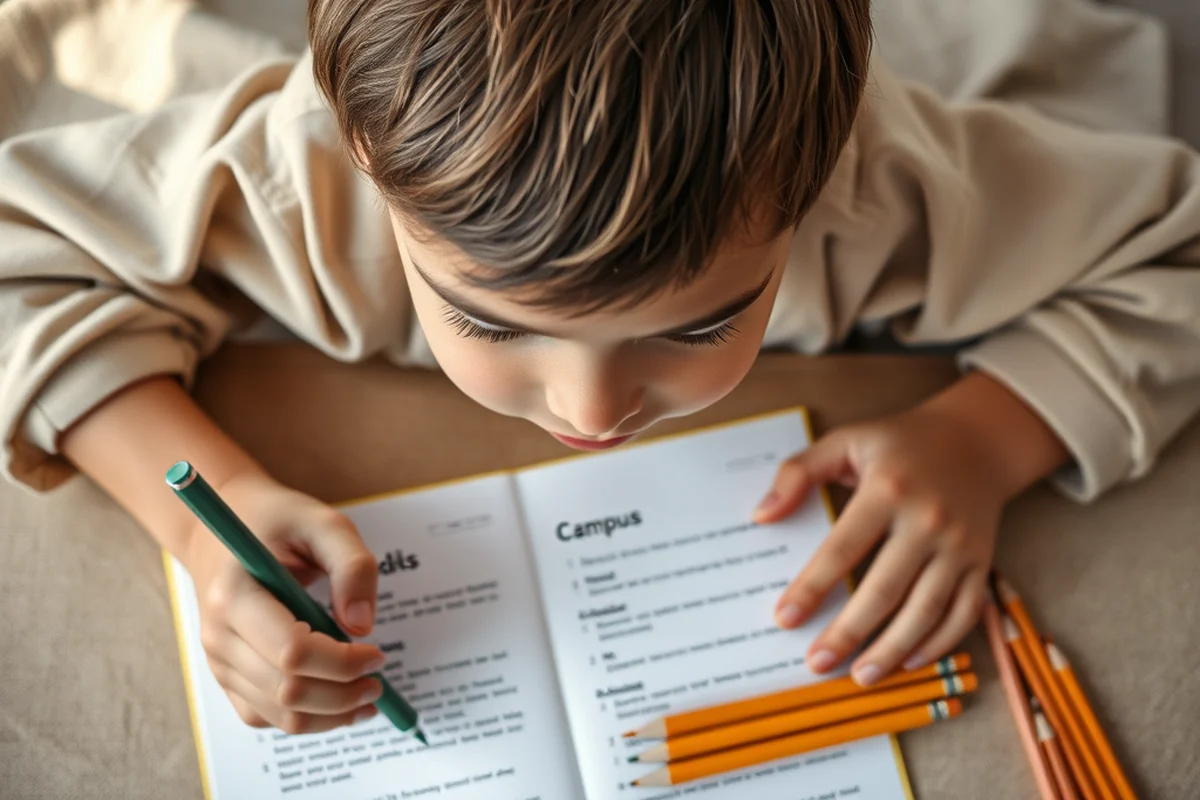
I've always believed that books are one of the most powerful tools in a homeschooler's toolkit. Unlike a rigid curriculum, a book can be read in any order, revisited as needed, and tailored to the learner's interests. My son, for example, is fascinated by space, so we've read several books on the subject — and he's always eager to go back and read them again.
Books also allow for a more personalized learning experience. When you're not in a traditional classroom, you're free to explore topics that are meaningful to your child. This kind of learning is often more engaging and memorable because it's connected to the learner's own interests and passions.
One of the greatest advantages of using books in homeschooling is that they can be used in any location — even off campus. This flexibility means that learning isn't limited to a specific time or place. It can happen during a walk, while waiting for a doctor's appointment, or even during a rainy day at home.
Books are the most flexible and engaging way to learn — and they work just as well off campus.
Related: Small homeschool area ideas
How to Make the Most of Reading Off Campus
One of the best ways to make the most of reading off campus is to set a routine. Whether it's a specific time each day or a consistent location, having a routine helps create a sense of structure and purpose. My family has a tradition of reading together in the evening — and even though we're not in a classroom, it's become a cherished part of our day.
Another key to success is to make reading an active experience. This means asking questions, discussing the material, and even creating projects or activities based on what's being read. When you're not in a classroom, it's easy to fall into a passive reading mode — but that's where the real learning happens.
I've found that the most effective way to read off campus is to treat it like any other part of the learning process. It's not just about reading — it's about engaging with the material in a meaningful way.
Engage with the material by asking questions, discussing ideas, and even creating projects based on what's being read.
“I remember the first time I picked up a book that wasn't on the school shelf.”— Geography for Homeschoolers editors
Related: Homeschool study area ideas
The Role of Libraries in Off-Campus Learning

Libraries are one of my favorite resources for off-campus learning. They offer a vast collection of books, access to online resources, and a welcoming environment that's perfect for reading. I've found that my children are more motivated to read when they're in a library — it's like a whole new world of learning opens up to them.
Libraries are also a great place for discovery. They often host events, book clubs, and other activities that can make reading feel like an adventure. My daughter recently joined a book club at the local library, and it's been a great way for her to connect with other readers and explore new books.
One of the best things about libraries is that they're free to use. This means that even if your family is on a tight budget, you can still access a wealth of educational resources. I've used the library for everything from reading books to attending workshops — and it's been a game-changer for our homeschooling journey.
Related: Where to watch off campus
How to Choose the Right Books for Off-Campus Learning
Choosing the right books for off-campus learning can be a challenge, but it's also an opportunity to explore new ideas and interests. I've found that the best books are those that are engaging, relevant, and aligned with the learner's interests. Whether it's a fiction book or a non-fiction book, the key is to find something that captures the learner's attention and sparks curiosity.
It's also important to consider the learner's age and reading level. A book that's too difficult can be discouraging, while a book that's too easy can be boring. I've found that reading level guides can be a great tool for selecting books that are just the right fit.
Another thing to consider is the subject matter. Whether you're looking for books on science, history, or literature, it's important to choose books that are both informative and engaging. I've found that the best books are those that make learning feel like an adventure — and that's a powerful thing for any learner.
Related: The off campus book series
The Benefits of Reading in Diverse Environments
One of the things I love about reading off campus is the way it can be done in different environments. Whether it's the park, a library, or even a quiet corner of the kitchen, each setting offers a unique experience. I've found that my children are more engaged when they're reading in a new environment — it feels more like an adventure and less like a chore.
Different environments can also help reinforce learning in unexpected ways. For example, reading a book about nature while sitting in a park can make the learning more tangible and meaningful. The same goes for reading a book about history while visiting a museum or historical site.
I've also noticed that reading in different environments can help children develop a sense of independence and curiosity. When they're not in a classroom, they're free to explore and discover new things — and that's one of the greatest benefits of off-campus learning.
Reading in different environments can make learning feel like an adventure.
Related: Homeschool work area ideas
How to Keep Track of Progress Without a Traditional Classroom
One of the challenges of off-campus learning is keeping track of progress without a traditional classroom. But I've found that it's possible with the right tools and techniques. Whether it's a simple notebook, a digital tracker, or a combination of both, there are many ways to stay organized and monitor progress.
I've used a combination of digital and paper-based tracking systems to keep track of my children's learning. For example, we use a digital planner to track reading progress, and a notebook to record observations and reflections. This has helped us stay organized and focused on our goals.
Another important tool is regular check-ins. Whether it's a weekly meeting or a monthly review, checking in with your child can help ensure that they're on track and making progress. It's also a great way to discuss what they've learned and how they feel about it.
📚 Younger Kids
Choose picture books and read together — this is perfect for early learners.
📖 Older Kids
Encourage independent reading and discussion — it's ideal for middle and high school students.
⏰ No-Prep
Use any available book and read at your own pace — no preparation needed.
👥 Group Version
Host a book club with other homeschooled families — a great way to socialize and learn together.
🔍 Extension
Add projects, discussions, or even creative writing to deepen the learning experience.
| The mistake | Why it happens | The fix |
|---|---|---|
| Choosing a book that's too difficult for the reader. | This can be discouraging and lead to frustration. | Select books that are at the right reading level for the learner. |
| Neglecting to track progress. | Without tracking, it's easy to lose sight of what's been learned and what still needs to be explored. | Use a simple notebook or digital tool to keep track of progress and review regularly. |
| Not engaging with the material. | Passive reading can be less effective and less engaging for the learner. | Ask questions, discuss the material, and create activities based on what's being read. |
| Not allowing for flexibility in the learning environment. | Learning should be adaptable and not confined to a specific location or time. | Choose a variety of places to read and make learning a natural part of everyday life. |
Is Off Campus On A Book
Common Questions
Can I use this approach for all subjects?
How do I know if a book is the right fit for my child?
Do I need any special tools or materials?
How can I keep track of progress without a traditional classroom?
References
- (PDF) The mistake-Elle Kennedy - Academia.edu (academia.edu)
- New Book By Pulitzer Prize-winning Architecture Critic | All News (amherst.edu)
- Two books help you explore College Station's rich history (blog.cstx.gov)
- OCS at Carleton – Off-Campus Studies (carleton.edu)
Cite this guide
Geography for Homeschoolers (2026). Is Off Campus On A Book. https://maptutors.com/is-off-campus-on-a-book/
Feel free to cite or share this guide.