Homeschool Laws For Virginia
📖 Table of Contents
- What Are Virginia's Homeschool Laws?
- The Notice of Intent (NOI) Form
- Record Keeping and Curriculum Requirements
- Testing and Evaluations in Virginia
- Homeschooling in Virginia and the Law: What You Need to Know
- Supporting Communities and Resources in Virginia
- Homeschooling and Public School Options in Virginia
- Make It Your Way
- Frequently Asked Questions
When I first decided to homeschool my children in Virginia, I was overwhelmed by the sheer amount of information out there — some of it conflicting, some of it outdated. I spent weeks reading through pages of regulations, forms, and legal requirements, and it felt like I was trying to untangle a web of red tape. But the more I dug in, the more I realized that Virginia's homeschool laws are actually quite straightforward once you know where to look. This article is my roadmap to navigating those laws, written from the perspective of someone who has lived through the process and emerged with a clear understanding of what is required.[1]
One of the most surprising things I learned about homeschooling in Virginia is that the state doesn't require a specific curriculum or set of textbooks. That’s both a blessing and a challenge — you have the freedom to tailor learning to your child’s interests and needs. You also have to take responsibility for ensuring that their education is well-rounded and legally compliant. I remember the first time I filled out the Notice of Intent form; it was a pivotal moment that made me feel like I was finally in control of my child’s future. That form, along with a few others, is the backbone of Virginia’s homeschooling process, and it’s important to understand how they work.
Virginia’s homeschooling laws are structured to be both flexible and protective of children’s educational rights. I still remember the day I attended a local homeschooling meet-up and heard a parent explain how they had managed to meet all the state’s requirements without ever stepping into a classroom. It was inspiring and eye-opening. Whether you’re new to homeschooling or have been doing it for years, understanding the laws in Virginia is essential. These laws give you the tools to create a learning environment that’s both legal and meaningful, and they’re not as intimidating as they might first appear.
Why You'll Love This Guide to Virginia Homeschool Laws
- Clarity on legal requirements and compliance
- A step-by-step plan for navigating the process
- Access to supportive communities and resources
- A foundation for creating a personalized learning experience
What Are Virginia's Homeschool Laws?
As of September 2026, Virginia is a homeschool-friendly state, and it has some of the most flexible laws in the nation. Unlike some states that require formal accreditation or periodic evaluations by certified educators, Virginia allows parents to homeschool their children without any mandatory oversight beyond the initial Notice of Intent (NOI) form.
The laws are clear: once you submit the NOI and maintain records of your child’s education, you're in compliance with the state. This means you're free to choose your curriculum, learning style, and pace. I’ve seen parents use everything from classical education models to project-based learning, and all are acceptable under Virginia law.
One of the most important things to note is that Virginia does not require standardized testing or periodic evaluations by the state. This is a huge relief for families who want to avoid the stress of tests, especially if they are using a non-traditional or unschooling approach.
Submit your Notice of Intent form before the start of the school year to avoid any confusion or legal issues. I submitted mine in mid-August, and it was smooth sailing from there.
Part of our Homeschool laws guide.
The Notice of Intent (NOI) Form
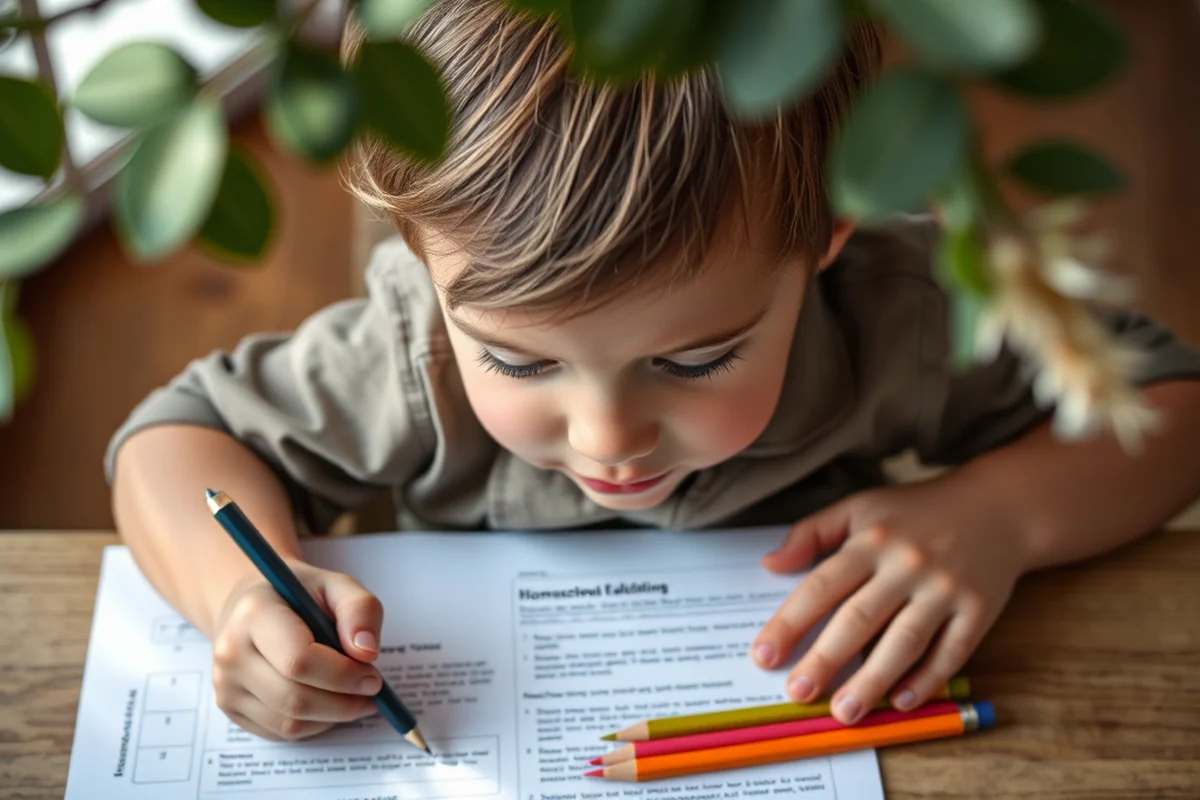
The Notice of Intent (NOI) form is a simple document that you submit to the Virginia Department of Education (VDOE) to inform them that you're homeschooling your child. This form is free and can be completed online, which is a huge convenience for busy parents.
I filled out the NOI form for my first child and was surprised by how straightforward it was. You'll need to provide basic information about the student, the parent, and the school year. There’s no need to explain your educational philosophy or curriculum; it’s just a declaration of intent.
Once you submit the NOI, you’re officially recognized as a homeschooling family in Virginia. I recommend printing a copy of the confirmation page and keeping it in a file for your records. This is important in case you ever need to prove your compliance with the law.[2]
The NOI is your ticket to legally homeschooling in Virginia — don't skip this step.
Related: Homeschool rules in virginia
Related: Virginia homeschool sports lawsuit
Related: Virginia homeschool regulations
Record Keeping and Curriculum Requirements
One of the most common questions I hear is, ‘Do I need to use a specific curriculum?’ The answer is no. Virginia allows you to choose any curriculum that meets your child’s needs and interests. I’ve used everything from online programs to books and even hands-on activities, and all are acceptable.
However, you are required to keep records of your child's education. These records should include a description of the curriculum used, the subjects covered, and the hours of instruction. I keep a detailed log of my children's learning activities and store them in a binder for easy access.
If you're ever audited, these records will be your proof that you’re providing a quality education. I recommend keeping these records for at least five years, as some states require a longer retention period.[3]
Use a digital planner or a physical binder to track your child's progress and keep your records organized. I use a simple spreadsheet that I update weekly, and it's been a lifesaver during audits.
“When I first decided to homeschool my children in Virginia, I was overwhelmed by the sheer amount of information out there — some of it…”— Geography for Homeschoolers editors
Related: Homeschool graduation requirements in virginia
Related: Virginia homeschool laws
Testing and Evaluations in Virginia

One of the most appealing aspects of homeschooling in Virginia is the lack of mandatory standardized testing. This is a relief for many parents who find these tests stressful and who may be using alternative learning methods.
However, some parents choose to have their children take tests like the Iowa Assessments or the Woodcock-Johnson Tests of Achievement. These tests are optional and can be used to measure progress or to meet the requirements of certain college or scholarship programs.
I’ve used the Iowa Assessments for my older children to track their progress and to show them how they’re doing compared to their peers. It's a great way to keep them motivated and to identify areas where they may need more support.
Homeschooling in Virginia and the Law: What You Need to Know
One of the most important things to know is that Virginia’s homeschooling laws are very clear and do not require any formal oversight beyond the Notice of Intent form. This makes it one of the easiest states to homeschool in, especially for new parents.
I remember the first time I attended a homeschooling conference in Virginia and heard a parent talk about how they had never had to worry about being evaluated or tested. It was a huge relief to know that I didn’t have to deal with that stress as well.
If you're ever unsure about a part of the law, it's a good idea to reach out to the Virginia Department of Education for clarification. I’ve done this on a few occasions, and they’ve always been helpful and responsive.
Supporting Communities and Resources in Virginia
One of the best things about homeschooling in Virginia is the strong community of homeschooling families. There are numerous co-ops, support groups, and online forums where you can connect with other parents and share resources.
I’ve been part of a local co-op that meets once a week, and it's been a great way to keep my children socially engaged and to learn from other homeschooling parents. It’s also been a source of support when I needed help with curriculum or lesson planning.
In addition to co-ops, there are online communities and local meetups that can be incredibly helpful. I’ve found that being part of these groups has made homeschooling less isolating and more enjoyable.
Never underestimate the power of a strong homeschooling community.
Homeschooling and Public School Options in Virginia
One of the less-known aspects of homeschooling in Virginia is the availability of public school programs that support homeschooling. Some school districts offer courses or support services that can be used by homeschooling families.
I’ve spoken to a few parents who have taken advantage of these programs, and they’ve found them to be a great resource. For example, some schools offer online courses that can be used by homeschoolers to fulfill certain academic requirements.
It's important to contact your local school district to see what options are available in your area. I’ve found that even if a district doesn’t offer many programs, they’re usually willing to provide information and guidance.
👶 Younger Kids
Tailored for children under 8, this version includes simplified forms and play-based learning suggestions.
🎓 Older Kids
Includes college prep resources, standardized testing info, and advanced curriculum ideas for teens.
🧳 No-Prep
Perfect for parents who need quick, ready-to-go materials with minimal planning or setup.
🤝 Group Version
Designed for group homeschoolers or co-ops, with shared resources and collaborative planning tools.
📚 Extension
Includes advanced legal information and in-depth compliance guidance for experienced homeschoolers.
| The mistake | Why it happens | The fix |
|---|---|---|
| Forgetting to submit the NOI form. | This can lead to legal issues and the possibility of an audit. | Submit the NOI form before the start of the school year to ensure compliance. |
| Not keeping proper records. | Without records, you may be unable to prove that your child is receiving a quality education. | Keep a detailed log of your child's learning activities and store it in a secure location. |
| Assuming that all curricula are acceptable. | Some curricula may not be appropriate for your child’s needs or developmental stage. | Choose a curriculum that is tailored to your child’s learning style and interests. |
| Ignoring community support. | Not being part of a homeschooling community can lead to isolation and missed opportunities for resources. | Join a local co-op or online forum to connect with other homeschooling families. |
Homeschool Laws For Virginia
Common Questions
Do I need to use a specific curriculum in Virginia?
Is there a deadline to submit the Notice of Intent form?
Can I homeschool my child if I’m not a certified teacher?
Do I need to have my child tested in Virginia?
References
- the lived experiences of first-time homeschool guardians in the (digitalcommons.liberty.edu)
- Homeschooling? - Legislative Research Commission (apps.legislature.ky.gov)
- Schools, Home Instruction Audit, Feb. 24, 2026 (PDF) (chesterfield.gov)
Cite this guide
Geography for Homeschoolers (2026). Homeschool Laws For Virginia. https://maptutors.com/homeschool-laws-for-virginia/
Feel free to cite or share this guide.