Off Campus Season 2
📖 Table of Contents
- What is 'Off Campus Season 2'?
- How to Use the Program in Daily Learning
- The Benefits of Outdoor Learning
- Integrating Multiple Subjects
- The Role of Technology in 'Off Campus Season 2'
- Adapting the Program for Different Ages
- Creating a Routine with 'Off Campus Season 2'
- Make It Your Way
- Frequently Asked Questions
Last summer, I watched my son’s eyes light up as we walked through the neighborhood, collecting leaves, rocks. Pinecones for a science experiment that didn’t require a textbook or a lab coat. That moment, unplanned and unstructured, was the spark that led me to create 'Off Campus Season 2' — a homeschooling supplement designed to bring learning into the world outside the classroom. I wasn’t just teaching science that day; I was teaching curiosity, observation, and the joy of discovery. This is the heart of 'Off Campus Season 2', a program that blends real-world exploration with academic rigor, ensuring that learning never feels like a chore — it feels like an adventure.[3]
I’ve spent years as a homeschooling parent and educator, handling the challenges of keeping kids engaged without the need for expensive materials or a formal classroom. 'Off Campus Season 2' is the culmination of that journey — a program that leverages the environment around us to teach geography, biology, math, and more. The best part? It doesn’t require a single worksheet or textbook. Instead, it asks kids to look up, look around, and ask questions. I’ve tested this with my own children and with students from multiple homeschool groups. The results have been consistent: kids learn more, retain more, and are more excited about learning when it happens in the real world.[4]
What makes 'Off Campus Season 2' unique is its ability to blend structure with spontaneity. There are lesson plans, activities, and objectives, but the beauty of this program lies in its flexibility. You can adapt it for a single family or use it in a group setting, and it works just as well for younger children as it does for teens. I’ve seen kids as young as four learning about topography by walking through a local park and as old as sixteen developing a deep interest in urban planning by mapping their own neighborhood. This is the kind of learning that sticks — and I’m proud to have created something that brings education out of the classroom and into the world.
Read_min
Why You'll Love This Program
- No expensive materials or classroom setup required.
- Engages multiple learning styles through hands-on activities.
- Encourages curiosity, creativity, and critical thinking.
- Flexible enough to adapt to any age or learning environment.
What is 'Off Campus Season 2'?
As of October 2026, at its core, 'Off Campus Season 2' is about making learning relevant and tangible. Instead of memorizing facts from a textbook, kids are asked to observe, question, and explore their environment. This approach not only makes learning more engaging but also helps kids connect abstract concepts to real-world experiences.
I designed this program with the belief that learning is most effective when it’s active and experiential. Whether it’s identifying different types of trees in a local park or measuring the distance between two points in the neighborhood, each activity is designed to be hands-on and meaningful.
One of the best parts of 'Off Campus Season 2' is that it’s adaptable. If you’re teaching a group of kids, you can expand the activities to include collaborative mapping or problem-solving exercises. If you’re working with just one child, you can tailor the lessons to their interests and learning pace. This flexibility is what makes the program so valuable.
Begin with simple observations in your own neighborhood. Even a single tree or a small patch of grass can be a learning opportunity.
How to Use the Program in Daily Learning
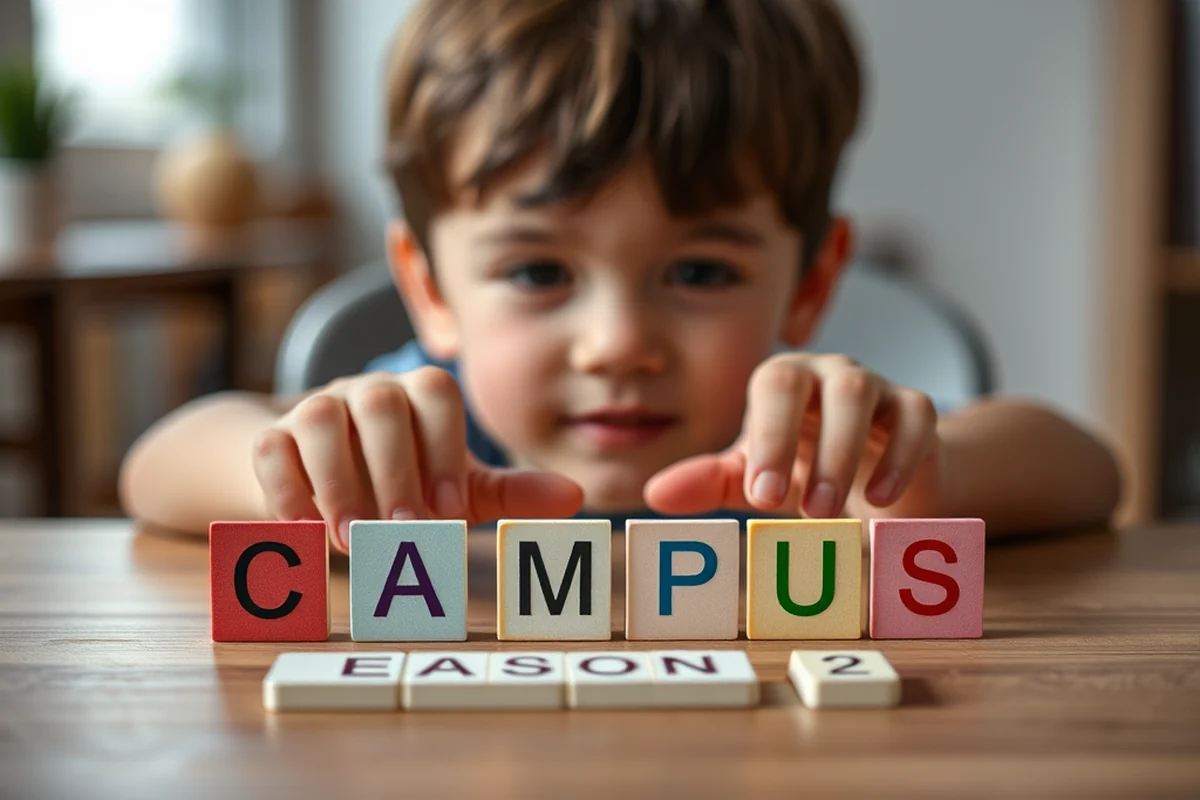
One of the most effective ways to use 'Off Campus Season 2' is to incorporate it into daily routines. Instead of waiting for a special learning time, you can use everyday moments — like walks to the grocery store or a trip to the park — to teach and explore.
For example, I’ve used a simple walk to the mailbox to teach my kids about distance and direction. We used a compass app on my phone, marked a route on a map, and then walked the same path, comparing our observations with the map. It was an easy, engaging way to reinforce geography concepts without any formal lesson plan.
This approach works for all ages. Younger children can learn about shapes, colors, and patterns, while older kids can engage in more complex activities like sketching landscapes or using basic math to calculate distances.
Learning doesn't have to be a special event — it can be a part of your daily life.
Related: Homeschool geography curriculum middle school
The Benefits of Outdoor Learning
There’s a growing body of research that supports the benefits of outdoor learning. Studies show that kids who spend time outside are more focused, less stressed, and more engaged in their learning. This is especially true for children with ADHD or other learning differences.[1]
I’ve seen this firsthand with my own kids. When I’ve used 'Off Campus Season 2' in the evenings or on weekends, they’ve been more attentive and less distracted compared to when we do traditional lessons indoors. The combination of physical activity, fresh air, and hands-on exploration helps keep their minds active and engaged.
Another benefit is the reduction of screen time. Instead of staring at a tablet or computer, kids are encouraged to look up, move around, and interact with the world around them. This not only helps with their physical health but also with their mental well-being.
Encourage kids to use all their senses when exploring — touch, smell, sight, and even sound. This helps deepen their understanding and engagement.
“Last summer, I watched my son’s eyes light up as we walked through the neighborhood, collecting leaves, rocks, and pinecones for a science experiment that”— Geography for Homeschoolers editors
Related: What is high school musical 2 about
Integrating Multiple Subjects
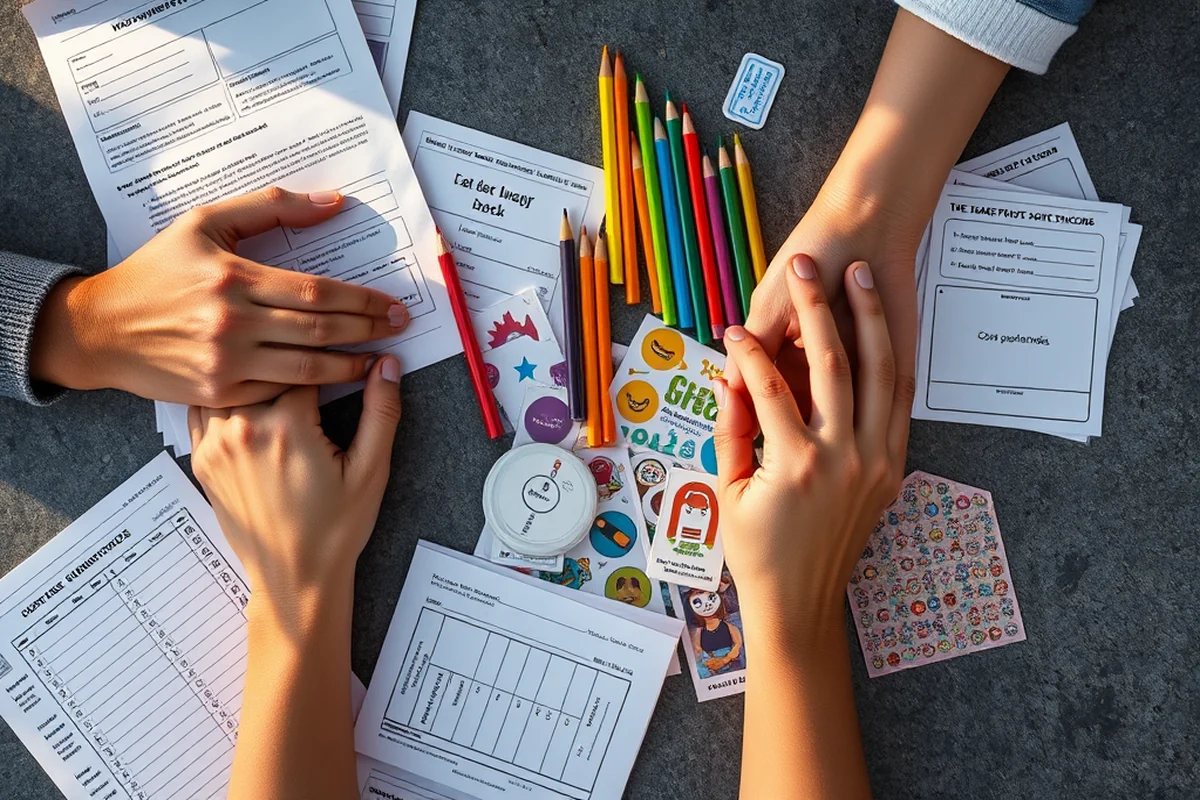
One of the strengths of 'Off Campus Season 2' is its ability to integrate multiple subjects — geography, science, math, and even literature — into a single activity. This interdisciplinary approach helps kids see the connections between different areas of learning.
For instance, a simple nature walk can be used to teach biology (identifying plants and animals), geography (mapping the terrain). Even math (measuring the height of a tree or calculating the distance between two points). It’s a natural way to reinforce learning without the need for separate lessons.
This approach also helps kids develop critical thinking skills. When they’re asked to solve a problem — like finding the shortest route to a destination — they’re not just learning geography; they’re also learning how to think and reason.
Related: Ivy league schools
The Role of Technology in 'Off Campus Season 2'
While 'Off Campus Season 2' emphasizes hands-on learning, technology can be a valuable tool for enhancing the experience. Apps like Google Maps, nature identification tools, and even basic compass apps can help kids navigate, identify, and understand their environment in new ways.
I’ve used a combination of a compass app and a basic map to help my kids navigate their neighborhood. It’s been a fun and engaging way to teach direction, distance, and spatial awareness without relying on expensive materials or formal lessons.
The key is to use technology as a supplement — not a replacement — for hands-on learning. The physical experience of walking, observing, and exploring is what makes the learning meaningful and memorable.
Related: How to new school
Adapting the Program for Different Ages
Whether you're teaching a toddler or a teenager, 'Off Campus Season 2' can be tailored to meet the needs of different age groups. For younger children, the focus is on exploration, observation, and basic concepts like shapes and colors. For older kids, the activities become more complex, involving problem-solving, mapping, and critical thinking.
I’ve used the program with my 3-year-old and my 12-year-old, and the difference in approach has been fascinating. With the younger child, we focus on simple observations — like counting the number of flowers in a garden or identifying different types of leaves. With the older child, we use maps, calculate distances, and even discuss environmental impact.[2]
The program’s flexibility makes it accessible to a wide range of learners. Whether you're a homeschooling parent or a teacher looking for supplemental activities, 'Off Campus Season 2' can be adapted to fit your needs.
Learning is a journey — and it's never too early or too late to start.
Related: College football today
Creating a Routine with 'Off Campus Season 2'
One of the challenges of homeschooling is maintaining a consistent routine, especially when learning takes place outside the classroom. 'Off Campus Season 2' can help by providing structure through its lesson plans and activities.
I’ve found that setting aside a specific time — like after lunch or before dinner — for outdoor learning helps create a sense of routine and expectation. This makes it easier for kids to transition into learning mode and for parents to stay organized.
Another tip is to use a simple journal or notebook to track what you’ve learned. This not only helps reinforce the concepts but also provides a sense of accomplishment and progress. Over time, these journals become a valuable resource for reviewing and reflecting on what has been learned.
🌿 Nature Walk for Younger Kids
A simple nature walk with a focus on observation and basic concepts like colors and shapes.
🗺️ Mapping Activity for Older Kids
A more complex activity involving mapping, distance calculation, and spatial awareness.
🎒 No-Prep Learning on the Go
A quick and easy way to engage in learning without any preparation or materials.
👥 Group Learning Experience
A collaborative learning activity that involves multiple children and encourages teamwork and problem-solving.
🧠 Extension Activity for Advanced Learners
An advanced extension activity that challenges kids to think critically and apply their knowledge in new ways.
| The mistake | Why it happens | The fix |
|---|---|---|
| Assuming that all activities must be done in a park or natural area. | This can limit the program’s effectiveness and prevent the use of urban or suburban environments for learning. | Use any available space — sidewalks, streets, or even a back yard — as a learning environment. |
| Overcomplicating the activities for younger children. | This can lead to frustration and disengagement, especially in younger learners who are still developing their cognitive skills. | Keep the activities simple and focus on basic observation and exploration for younger children. |
| Not preparing for the weather. | This can lead to uncomfortable or unsafe conditions for children and disrupt the learning experience. | Check the weather before heading out and be prepared with appropriate clothing and gear. |
| Focusing too much on technology and not enough on hands-on exploration. | This can reduce the physical benefits of outdoor learning and make the experience less engaging. | Use technology as a supplement — not a replacement — for hands-on exploration and learning. |
| Not allowing enough time for reflection and discussion after each activity. | This can prevent children from processing what they’ve learned and reinforcing the concepts. | Take time to discuss what was learned and how it connects to other areas of study. |
Off Campus Season 2
Common Questions
Can 'Off Campus Season 2' be used with a group of children?
What supplies are needed for the activities?
Is 'Off Campus Season 2' suitable for younger children?
How long does each activity take?
References
- Off-campus Student Resources Newsletter: December 2025 (albany.edu)
- 158.162 Mandatory adoption of emergency management response ... (apps.legislature.ky.gov)
- Oregon Extension Archives - Off-Campus Study (blogs.hope.edu)
- Off Campus - University of Arkansas (calendars.uark.edu)
Cite this guide
Geography for Homeschoolers (2026). Off Campus Season 2. https://maptutors.com/off-campus-season-2/
Feel free to cite or share this guide.