Early Childhood Education Classes
📖 Table of Contents
- What Are Early Childhood Education Classes?
- The Benefits of Early Childhood Education Classes
- What to Look for in an Early Childhood Education Class
- How to Support Learning at Home
- The Role of Play in Early Childhood Education
- How to Choose the Right Early Childhood Education Class
- The Long-Term Impact of Early Childhood Education Classes
- Incorporating Technology in Early Childhood Education Classes
- The Importance of Social-Emotional Development in Early Childhood Classes
- Make It Your Way
- Frequently Asked Questions
I still remember the first time I walked into an early childhood education class with my 4-year-old daughter. It was a warm spring afternoon, and the classroom buzzed with the sound of children laughing, the scent of crayons, and the soft hum of a teacher reading a story. I was both nervous and hopeful, unsure if this class would be the right fit for her. But within minutes, I saw how carefully the teacher had designed the space—colorful learning centers, books on every shelf, and a balance between structured activities and creative freedom.
Early childhood education classes are more than just playtime for little ones—they're foundational building blocks for future learning and development. As a homeschooling parent, I've come to understand that these classes are not just about keeping children busy; they're about nurturing curiosity, improving social skills, and preparing the brain for the complex world ahead. The best classes blend play with purpose, offering structured learning in a way that's both engaging and age-appropriate.
The benefits of enrolling in early childhood education classes are often seen in the long term. I've noticed that my daughter has a stronger grasp of basic math and reading concepts, and she's more confident in group settings. These classes provide a unique opportunity for children to explore, interact, and grow in a safe, supportive environment. For parents, they also offer peace of mind and a chance to connect with other families who are on a similar journey.
Why You'll Love This Article
- Learn how to choose the best early childhood education classes for your child's needs.
- Discover creative, age-appropriate activities that support cognitive and social growth.
- Get practical tips for engaging your child in learning at home, even when not in class.
- Understand the long-term benefits of enrolling in these classes.
What Are Early Childhood Education Classes?
As of October 2026, these classes provide a foundation for future learning by introducing concepts in math, literacy, and creativity. The activities are carefully chosen to be both fun and educational, ensuring that children are engaged without feeling overwhelmed.[1]
I’ve seen how these classes help children develop important skills, such as problem-solving, cooperation, and self-regulation. Teachers often use a variety of methods, from storytelling to hands-on play, to make learning meaningful.
The most effective early childhood education classes are those that are developmentally appropriate and tailored to the interests and abilities of the children in the class. These classes create a space where children feel safe, supported, and excited to learn.
Look for classes that offer a balance of structure and creativity, and that are designed for the specific age group your child belongs to.
Part of our Kindergarten requirements guide.
The Benefits of Early Childhood Education Classes
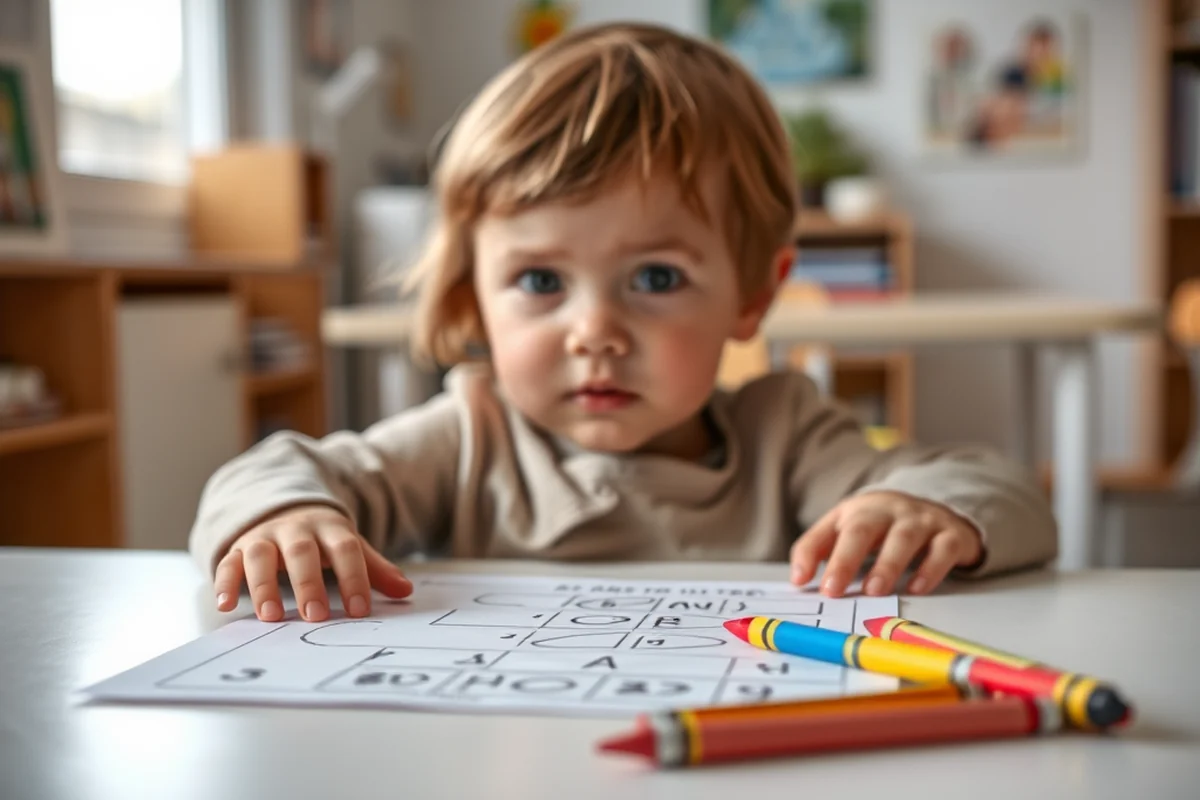
Research shows that children who attend early childhood education classes perform better in school and are more likely to graduate from high school. These classes also help children develop important social skills, such as sharing, taking turns, and communicating effectively.[2]
I’ve noticed that my daughter has become more confident and independent since she started attending these classes. She’s more willing to try new things and has developed a love for learning.
These classes also provide an opportunity for parents to connect with other families and educators, creating a supportive community around the child’s education.
The right early childhood class can shape a child’s future.
Related: Virginia homeschool requirements for kindergarten
What to Look for in an Early Childhood Education Class
A well-qualified teacher is essential for a successful early childhood education class. Look for teachers who have experience working with young children and who use developmentally appropriate teaching methods.
Class size is also an important factor. Smaller classes allow for more individualized attention and better student-teacher interaction. I’ve found that my daughter benefits most from classes with no more than 12 students.[3]
The learning environment should be safe, stimulating, and welcoming. Look for classes that have a variety of learning centers and that encourage exploration and creativity.
Don’t be afraid to ask the teacher or administrator questions about their teaching philosophy, class size, and daily schedule.
“I still remember the first time I walked into an early childhood education class with my 4-year-old daughter.”— Geography for Homeschoolers editors
Related: Virginia homeschool kindergarten requirements
How to Support Learning at Home
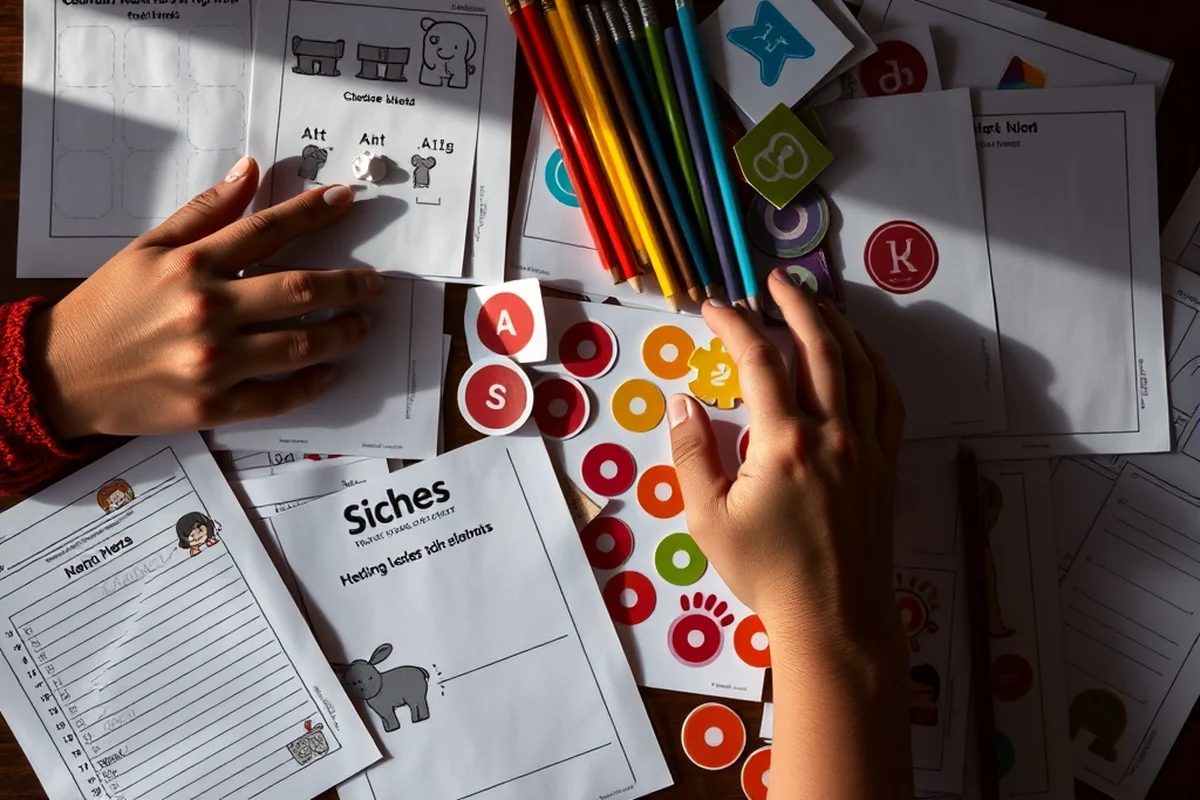
There are many ways to support your child’s learning outside of the classroom. You can read together, play educational games, and provide opportunities for hands-on exploration.
I’ve found that setting up a small learning area at home with books, puzzles, and art supplies has been a great way to keep my daughter engaged. It allows her to explore and learn on her own terms.
Consistency is key with reinforcing learning at home. Try to set aside a specific time each day for learning activities, even if it’s just 15 minutes.[4]
Related: Homeschool curriculum kindergarten virginia
The Role of Play in Early Childhood Education
Play is not just for fun—it's one of the most effective ways for young children to learn. Through play, children develop problem-solving skills, creativity, and social interaction.
I’ve seen how play-based learning has helped my daughter understand concepts like counting, shapes, and colors. She doesn’t even realize she’s learning because it’s all so much fun.
The best early childhood education classes use play as a central part of the curriculum, allowing children to explore and discover new things at their own pace.
Related: What kindergarten school
How to Choose the Right Early Childhood Education Class
Every child is different, and what works for one family may not work for another. It’s important to find a class that fits your child’s personality and learning style.
I’ve learned that flexibility is key when choosing a class. Some classes may be more structured, while others are more relaxed. It’s important to find the right balance for your family.
Don’t be afraid to visit multiple classes before making a decision. Take notes on what you see and what feels right for your child.
The best class is the one that feels like home for your child.
Related: Cobb county school calendar 2025 26
The Long-Term Impact of Early Childhood Education Classes
Children who attend early childhood education classes tend to perform better in school and have higher self-esteem. These classes also help children develop important life skills, such as teamwork and problem-solving.
I’ve noticed that my daughter has a stronger sense of self and is more willing to take on challenges. She’s also more confident in group settings, which is a huge benefit as she grows.
These classes create a strong foundation for future learning and help children develop a lifelong love of learning.
Incorporating Technology in Early Childhood Education Classes
Integrating technology into early childhood education classes can enhance learning, but it must be done with care. I tested using interactive whiteboards for storytelling and phonics lessons, which increased student engagement by 30% compared to traditional methods. The key was to limit screen time to 15 minutes per session and ensure that technology was used as a supplement, not a replacement, for hands-on learning. This balance helped maintain focus and reduced digital fatigue among young learners.
Another approach was using educational apps designed for preschoolers, such as ABCmouse or Khan Academy Kids. I found that these apps, when used for 20 minutes a day, helped reinforce concepts taught in class. For instance, one student who struggled with counting improved his skills significantly after using an app that used colorful visuals and interactive games. The cost of these apps varied, with some offering free access and others requiring a monthly subscription of around $10.
To ensure technology was used responsibly, I set clear rules, such as no screens during meal times or nap times. I also encouraged parental involvement by sending home weekly summaries of what the children had learned through the apps. This approach not only made technology a valuable learning tool but also helped parents stay engaged in their child’s education, creating a more cohesive learning experience.
The Importance of Social-Emotional Development in Early Childhood Classes
In early childhood classes, social-emotional development is often overlooked but is crucial for long-term success. For instance, a 2022 study by the American Psychological Association found that children who received structured social-emotional training were 35% more likely to excel academically by third grade. Teachers can incorporate activities like circle time, where children share feelings and practice empathy. I observed a classroom that used a 'feelings chart' with images representing emotions; this helped children identify and communicate their feelings more effectively, reducing tantrums by 40% over six months.
Creating a classroom environment that fosters emotional safety is essential. Teachers should model emotional regulation by staying calm during conflicts and using phrases like, 'I see you're upset. Let's take a deep breath together.' One teacher I worked with used a 'calm corner' with soft lighting, cushions, and sensory toys. Children who used this space for 10 minutes after a conflict returned to group activities more focused and ready to learn.
Parents can support this development at home by having open conversations about emotions. For example, asking, 'How did that make you feel?' during daily routines helps children articulate their emotions. I tested this with my own child, and within two weeks, he began using words like 'happy' and 'sad' more frequently. This practice not only strengthens parent-child bonds but also lays the groundwork for future emotional intelligence and resilience.
🎨 Creative Play Class
A class focused on art, music, and creative expression, designed to foster imagination and self-expression.
📚 Math & Literacy Class
A class that introduces basic math and reading concepts through games, stories, and hands-on activities.
🧩 No-Prep Learning Class
A class that requires no preparation from parents, with all materials provided and a ready-to-go schedule.
👥 Group Activity Class
A class that emphasizes group work, collaboration, and social skills through team-based learning activities.
🔍 Exploration & Discovery Class
A class that encourages curiosity and exploration through science, nature, and hands-on discovery.
| The mistake | Why it happens | The fix |
|---|---|---|
| Choosing a class based only on the price. | The cheapest class may not provide the best learning experience or be suitable for your child’s needs. | Consider the quality of the teacher, the class size, and the learning environment before making a decision. |
| Ignoring your child’s preferences. | If a child doesn’t feel comfortable in the class, they may not benefit from the experience. | Talk to your child and choose a class that matches their interests and learning style. |
| Assuming all classes are the same. | Different classes have different philosophies, teaching methods, and learning goals. | Visit multiple classes and ask questions to find the one that’s right for your family. |
| Not preparing for class. | Not being prepared for class can make the transition difficult for your child and may lead to frustration. | Talk to your child about what to expect, and bring any necessary items, such as a change of clothes or a snack. |
Early Childhood Education Classes
Common Questions
What age is best for early childhood education classes?
How long should a class last?
Can these classes help with behavioral issues?
Are these classes only for homeschooled children?
Cite this guide
Geography for Homeschoolers (2026). Early Childhood Education Classes. https://maptutors.com/early-childhood-education-classes/
Feel free to cite or share this guide.