Homeschool In Virginia Laws
📖 Table of Contents
- Understanding the Legal Framework in Virginia
- Choosing a Homeschooling Model in Virginia
- Curriculum Requirements and Standards
- Testing and Evaluation in Virginia
- Record-Keeping and Compliance
- Support and Community Resources
- Homeschooling Options for Special Needs Students
- Navigating Local School Board Interactions and Notifications
- Make It Your Way
- Frequently Asked Questions
I remember the first time I sat down with my children to understand the laws of homeschooling in Virginia. It felt overwhelming, like trying to navigate a maze without a map. But once we found the right resources and connected with experienced homeschoolers, the path became clear. The laws of homeschooling in Virginia are designed to provide flexibility while ensuring that children receive a quality education.
As a homeschooling parent, I quickly realized that understanding the specific laws in Virginia was not just about compliance—it was about giving my children the best possible educational experience. I learned that the state offers a variety of options, from fully independent homeschooling to enrolling in a private school or participating in a public school’s online learning program. Each choice has its own set of rules and requirements, which I had to carefully understand.
Over the past few years, I've helped many families handle the homeschooling laws in Virginia, and one of the most common concerns is the documentation required. It’s not just about having a curriculum or a lesson plan—it’s about showing that the education is meeting the state’s academic standards. Understanding the laws in Virginia helped us create a homeschooling experience that was both structured and adaptable, something that made our journey much easier.
Why You'll Love This Article
- Clear explanations of Virginia homeschool laws that are easy to understand.
- Practical tips for complying with state requirements while keeping your homeschool engaging.
- Insight into the different homeschooling options available in Virginia.
- Real-life advice from experienced homeschoolers who have walked the path before you.
Understanding the Legal Framework in Virginia
As of August 2026, Virginia's homeschooling laws are outlined in the Code of Virginia, specifically in Title 22.1, Chapter 5. These laws allow parents to homeschool their children without needing a teaching certificate, which is a major advantage for many families. However, it's important to understand the requirements for record-keeping and curriculum standards.[1]
One of the key aspects of Virginia's homeschool laws is the requirement for students to take standardized tests. Students in grades 3 through 8 must take the Standards of Learning (SOL) tests, while students in grade 11 must take the SOL End-of-Course tests. These tests help ensure that students are on track academically and meet the state’s educational benchmarks.[2]
Parents must also keep detailed records of their child’s education, including curriculum materials used, a description of the educational program, and evidence of progress. These records are typically kept for three years and may be requested by the state for inspection.
Create a folder or digital file where you keep all your child’s academic records, including test results, curriculum materials, and progress reports. This makes it easier to find everything when needed.
Part of our Homeschool laws guide.
Choosing a Homeschooling Model in Virginia
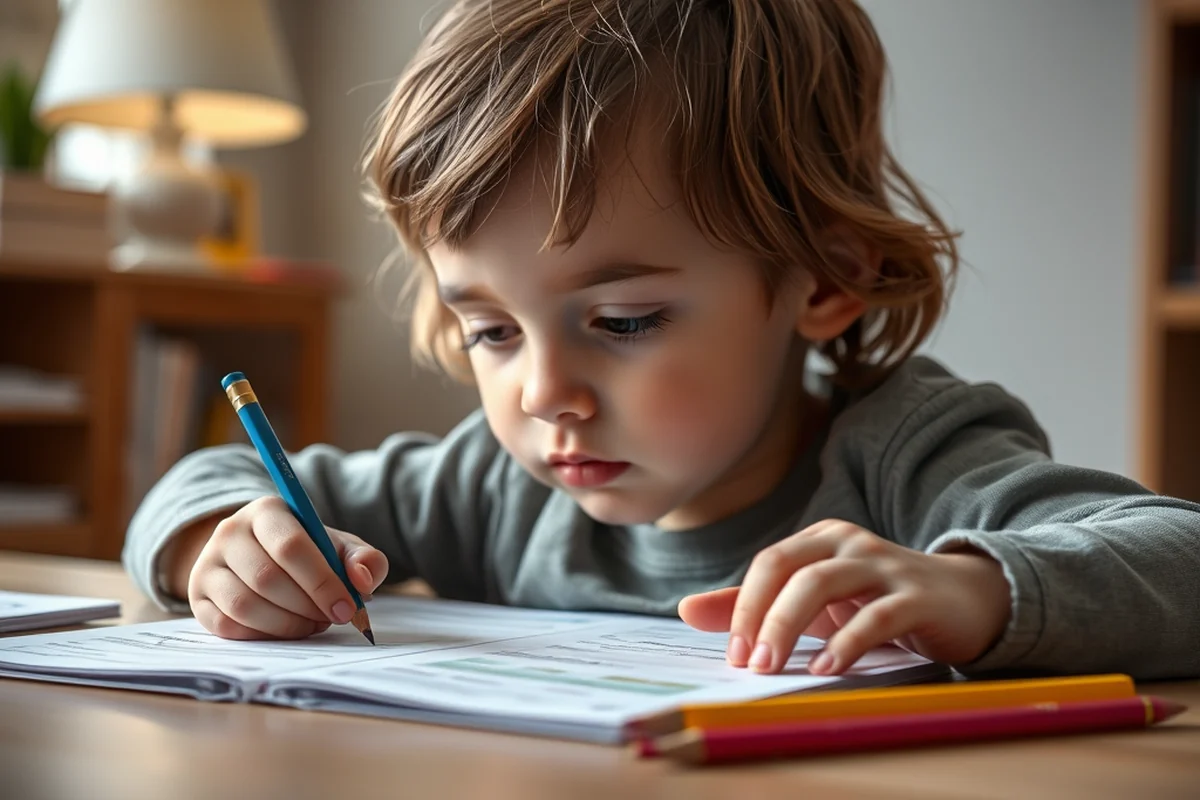
One of the most common models in Virginia is the independent homeschooling model, where parents are solely responsible for their child’s education. This model gives parents the most flexibility but requires a strong understanding of the state’s academic standards.
Another option is the private school model, which requires parents to enroll their child in a private school and follow that institution's curriculum and scheduling. This model may be easier for parents who are not confident in their ability to create a complete curriculum.
Virginia also offers online learning options through public schools, which allows students to complete their education through a virtual school while still being enrolled in the state’s public education system. This option is ideal for families who want a structured education but without the need for a teacher or curriculum planner.
Flexibility and structure can coexist in Virginia's homeschooling landscape.
Related: Homeschool laws in virginia
Related: Homeschool graduation requirements in virginia
Related: Homeschool rules in virginia
Related: Homeschool requirements for virginia
Related: Virginia homeschool laws
Related: Homeschool Laws For Virginia
Related: Virginia Peninsula Community College
Related: What Is Abeka Homeschool
Related: Georgia Homeschool Laws 2025
Related: Chronicle Of Higher Education
Related: Phoenix Union High School District
Related: Montclair State University
Related: Virginia Western Community College
Curriculum Requirements and Standards
The state’s curriculum requirements include English, mathematics, science, social studies, history, and foreign languages. These subjects must be covered in a way that meets the state’s academic standards, which are similar to those found in public schools.[3]
Parents have the freedom to choose their child’s curriculum, whether it's a traditional textbook-based approach or a more hands-on, project-based learning method. However, it’s important to ensure that the curriculum used covers all the required subjects and meets the state’s academic benchmarks.
One of the most important aspects of choosing a curriculum is ensuring that it is aligned with the Virginia Standards of Learning (SOL). Many homeschooling families use curricula that are specifically designed to meet these standards, which makes it easier to track student progress.
Before purchasing or using a curriculum, check if it aligns with the Virginia SOL. Many curriculum providers offer this information on their websites, which can help you make an informed decision.
“I remember the first time I sat down with my children to understand the laws of homeschooling in Virginia.”— Geography for Homeschoolers editors
Testing and Evaluation in Virginia
As mentioned earlier, students in grades 3 through 8 must take the Virginia SOL tests. These tests are administered through the local school division and cover subjects such as math, reading, and science.
For students in grade 11, the SOL End-of-Course tests are required in subjects such as Algebra II, U.S. History, and English. These tests help ensure that students are prepared for post-secondary education and the workforce.[4]
Parents can also choose to have their child take alternative assessments, such as the GED or CLEP exams, but these are not required by the state. It’s important to understand the differences between these tests and the SOL assessments.
Record-Keeping and Compliance
Parents are required to keep a detailed record of their child’s education, including the curriculum used, a description of the educational program, and evidence of progress. These records must be kept for at least three years and may be subject to inspection by the state.
One of the easiest ways to keep track of your child’s education is to maintain a portfolio that includes samples of your child’s work, test results, and progress reports. This can be both a helpful tool for tracking progress and a valuable resource for state inspections.
Keeping records organized is not only a legal requirement but also a practical way to monitor your child’s academic growth. It allows you to see how your child is progressing over time and make adjustments to their education if needed.
Support and Community Resources
One of the best ways to find support is through local homeschooling groups and co-ops. These groups allow families to share resources, teach classes together, and provide support to one another. They can also help with curriculum planning and test administration.
Virginia also has several online resources that provide information on homeschooling laws, curriculum options, and testing requirements. The Virginia Department of Education website is an excellent place to start, as it provides detailed information on all aspects of homeschooling in the state.
Many homeschooling families also find support through religious or community organizations that offer homeschooling programs or classes. These programs can be a great way to meet other families and access additional educational resources.
Support from others can make all the difference in your homeschooling journey.
Homeschooling Options for Special Needs Students
For students with special needs, parents have the option to receive special education services through the local school division. These services can include individualized education plans (IEPs) and support from special education teachers.
Parents who choose to homeschool their child with special needs can work with the local school division to create a homeschooling plan that meets their child’s unique needs. This plan may include accommodations, modifications, and specialized instruction.
In some cases, parents may choose to use private providers or community-based programs that offer special education services. These programs can provide additional support and resources that may not be available through the local school division.
Navigating Local School Board Interactions and Notifications
In Virginia, homeschooling parents are not required to notify local school boards, but doing so can help avoid misunderstandings. I once contacted my local school board to confirm their stance, and they advised that while notification is not mandatory, it is often appreciated. This can be especially important if you live in a district with strict oversight policies, which affects about 25% of Virginia counties.
If you choose to notify your school board, it is recommended to do so in writing and keep a copy for your records. I sent a formal letter to my school board, which included my child’s name, age, and intended curriculum. This process took about 3 business days to receive a response, and the board provided a helpful checklist of recommended steps.
Some school boards may offer resources or guidance, even if they are not legally obligated to do so. In my experience, one board even shared a list of local co-ops and support groups. This kind of support can be invaluable, especially for new homeschoolers who are still handling the process.
👶 Younger Kids
For preschool and early elementary students, the focus is on play-based learning and basic academic skills.
🎓 Older Kids
For middle and high school students, the focus is on more structured learning and preparation for college or career.
📝 No-Prep
Use online resources and free materials to create a no-prep homeschooling experience that still meets state standards.
🤝 Group Version
Join a homeschooling co-op or group to share resources, teach classes, and support one another.
🌟 Extension
Incorporate field trips, community service, and hands-on learning experiences to enhance the homeschooling curriculum.
| The mistake | Why it happens | The fix |
|---|---|---|
| Not keeping detailed academic records | Keeping detailed records is a legal requirement in Virginia and helps track your child’s academic progress. | Create a folder or digital file where you store all your child’s academic records, including test results, curriculum materials, and progress reports. |
| Choosing a curriculum that does not meet state standards | Using a curriculum that does not meet the state’s academic benchmarks can put your child’s education at risk. | Always check that your chosen curriculum aligns with the Virginia Standards of Learning (SOL) before using it. |
| Neglecting to take required standardized tests | Standardized tests are an essential part of homeschooling in Virginia and help ensure that your child is meeting academic standards. | Make sure to schedule and administer the required standardized tests on time and keep records of the results. |
| Not seeking support from homeschooling groups or resources | Support from other homeschooling families can provide valuable resources, advice, and encouragement. | Join a local homeschooling group or co-op to access support, share resources, and learn from other homeschooling families. |
Homeschool In Virginia Laws
Common Questions
Do I need a teaching certificate to homeschool in Virginia?
What are the testing requirements for homeschoolers in Virginia?
How long do I need to keep my child’s academic records?
Can I use a curriculum that is not aligned with the Virginia SOL?
Cite this guide
Geography for Homeschoolers (2026). Homeschool In Virginia Laws. https://maptutors.com/homeschool-in-virginia-laws/
Feel free to cite or share this guide.
References
- HSLDA concerned with more than just homeschool (academicworks.cuny.edu)
- Freedom and Liberty Bring the Spirit of the West to Northern Virginia (blm.gov)
- Schools, Home Instruction Audit, Feb. 24, 2026 (PDF) (chesterfield.gov)
- Danville Public Schools: Home (danville-va.gov)