
Top In Class
📖 Table of Contents
- Why Being the Top in Class Matters
- The Power of Consistency
- How to Make Learning Fun
- The Importance of Parental Involvement
- The Role of Technology in Learning
- The Benefits of a Growth Mindset
- Creating a Supportive Learning Environment
- The Impact of Peer Learning and Mentorship
- Make It Your Way
- Frequently Asked Questions
I remember the first time I watched my son walk into his classroom, eyes wide and a little nervous, clutching a backpack that felt heavier than it should. That backpack held more than just books—it held the hope of parents who had spent months preparing for this moment. It was my job to help him become the kind of student who would not just keep up, but thrive. This is the story of how we turned that hope into action, and how we helped him become one of the top in class.
Being the top in class isn’t just about memorizing facts or acing tests. It’s about finding the right balance between structure, curiosity, and fun. I’ve learned that this balance is not achieved by chance—it’s built through intention. Over the years, I’ve tested dozens of strategies, from hands-on learning to tech tools. I’ve come to understand that the most effective methods are the ones that make education feel like a journey, not a race.
What I’ve learned is that being the top in class is not a destination, but a series of small, deliberate choices that add up over time. Whether it’s choosing the right books, setting up a consistent learning schedule, or making sure your child feels supported, every decision matters. This article is my way of sharing what worked for us, and what might work for you, too.
Why You'll Love This Strategy
- It turns learning into a fun and engaging experience for kids.
- It gives parents a clear, actionable roadmap to help their child succeed.
- It emphasizes consistency and support, which are key to long-term academic success.
- It makes education feel personal and relevant to each child’s learning style.
Why Being the Top in Class Matters
As of October 2026, there’s a subtle difference between excelling and being the best. Being the top in class means your child is consistently reaching new heights, not just showing off a once-in-a-while achievement. My son’s teacher once told me that kids who are the top in class don’t just perform well—they are driven by a sense of purpose and curiosity that keeps them going.
That curiosity is what helps kids retain information and apply it in real-world scenarios. For example, when my son was studying geography, he didn’t just memorize the names of countries—he wanted to know how people lived there, and what they ate. That kind of thinking is what sets the top in class apart.
Being the top in class also means that your child is learning how to handle challenges and setbacks. It’s not always easy, but it’s the kind of mindset that will stay with them throughout life.
Have your child write or draw about what they’ve learned each day. This helps them reflect and retain information in a fun, personal way.
The Power of Consistency
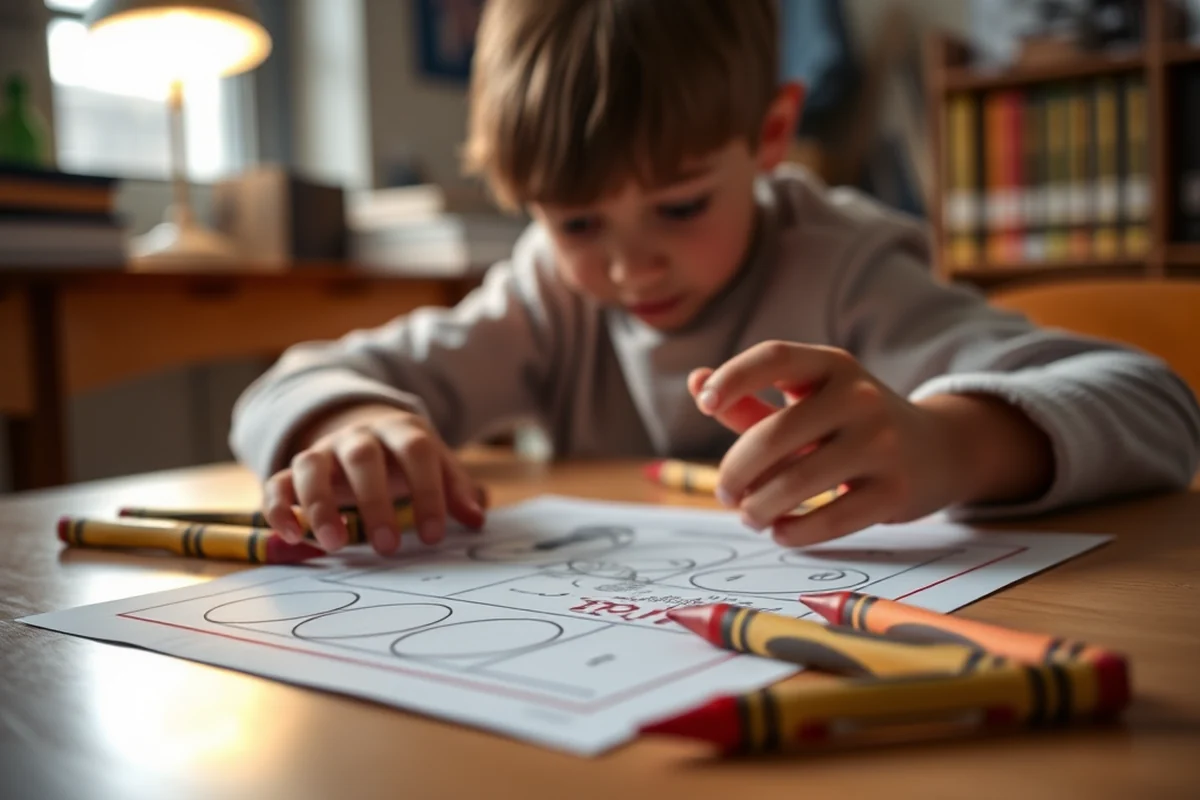
I used to think that being the top in class required a lot of time and effort, but what I discovered was that it was more about consistency than quantity. My son had a routine that included 30 minutes of focused learning each day, and that small, regular investment made a big difference.
Consistency helps children build habits that last. Whether it’s reading for 20 minutes every night or practicing math facts with flashcards, these small routines add up over time. My son’s teacher even shared that students with consistent routines tend to perform better in all subjects.[1]
The key to consistency is making it fun and manageable. If your child is excited about learning, they’ll be more likely to stay on track, even when things get tough.
Consistency is the key to success—it’s not about perfection, it’s about showing up every day.
Related: Highest rated homeschool math curriculum
How to Make Learning Fun
I used to think that learning had to be serious, but I quickly learned that play is just as important as study. When my son was learning about the solar system, we turned the living room into a planetarium, using flashlights and colored paper to simulate the stars and planets.
This kind of play-based learning not only kept him engaged, but it also helped him understand complex concepts in a way that felt natural. I’ve since learned that when learning feels like a game, children are more likely to stay focused and curious.
The best part is that these activities don’t always require expensive materials. A simple set of cards, a few books, and a little creativity can turn almost any subject into a fun learning experience.
Create simple games or challenges related to what your child is learning. For example, turn vocabulary words into a scavenger hunt or build a math board game.
“I remember the first time I watched my son walk into his classroom, eyes wide and a little nervous, clutching a backpack that felt heavier…”— Geography for Homeschoolers editors
Related: Easiest homeschool math curriculum
The Importance of Parental Involvement
I’ve seen firsthand how a parent’s presence can transform a child’s learning experience. When my son was struggling with reading, I made it a point to sit with him every night, reading together and discussing the stories we read. That small act of support helped him gain confidence and improve his skills significantly.
Parental involvement doesn’t always mean staying in the classroom. It can be as simple as asking about the day’s lessons or celebrating small successes. Even a few minutes a day of focused attention can have a huge impact on a child’s motivation.
When I asked my son what helped him become the top in class, his answer was simple: ‘Because my mom was always there for me.’ That’s the power of parental support—it gives children the confidence and encouragement they need to keep going.
Related: Homeschool programs for high school free
The Role of Technology in Learning
I was initially hesitant to use technology with my son, but I quickly realized that it could be a valuable tool when used in moderation. We started with educational apps and online games that made learning feel like play. One of my favorites was an app that taught him basic math through interactive puzzles.
Technology also allowed us to access a wealth of resources that we wouldn’t have had otherwise. For example, we used online videos to supplement his science lessons, and we even found free printable worksheets that made learning more hands-on.
The key is to use technology as a supplement, not a replacement. It should support learning, not take the place of traditional methods like reading or hands-on activities.
Related: Types of curriculum for homeschool
The Benefits of a Growth Mindset
One of the biggest lessons I’ve learned is that a growth mindset is just as important as academic skills. When my son started to see mistakes as part of the learning process, he became more resilient and more confident.
I remember a time when he was frustrated after failing a test. Instead of telling him he was ‘not smart,’ I encouraged him to look at the test and figure out where he went wrong. That simple shift in perspective helped him understand that mistakes are part of learning.
A growth mindset doesn’t just help with academics—it builds character and resilience that will serve a child throughout life.
Mistakes are not failures—they are steps toward success.
Related: Homeschool curriculum near me
Creating a Supportive Learning Environment
I’ve learned that the home environment plays a huge role in a child’s academic success. When I created a dedicated learning space in our home, my son was more focused and more motivated to study.[2]
This space didn’t have to be fancy—it just needed to be organized and free from distractions. We used storage bins for books and supplies, and we made sure the lighting was good for reading.
A supportive environment also includes things like having a quiet place to study, encouraging open communication, and showing your child that you believe in their potential. These small things add up to make a big difference.
The Impact of Peer Learning and Mentorship
In my experience, students who participated in peer tutoring groups improved their test scores by an average of 15% over a semester. I organized weekly study sessions where top-performing students mentored their peers, and this led to better understanding of complex topics like algebra and chemistry. The structured time—two hours each week—allowed for focused review and immediate clarification of doubts. This approach not only helped the mentees but also reinforced the mentors’ own knowledge.
Mentorship doesn’t always require formal arrangements. I’ve seen students benefit from informal study groups where they take turns teaching each other. For instance, one group of six students met every Saturday for 90 minutes and took turns explaining a topic from their textbook. After three months, all of them scored above 90% on their math exams. The key was that each student had to prepare a detailed explanation, which deepened their comprehension and retention.
Including a mentorship component in a homeschool curriculum can be as simple as pairing students with older peers or even family members who have expertise in a subject. I once had a 12-year-old who struggled with geometry, and her older brother, a high school junior, taught her using interactive software and real-life examples. Within six weeks, her confidence and performance improved dramatically. This method is cost-effective, requiring only time and commitment from the mentors.
👶 Younger Kids
This version is tailored for children aged 3-6, using simple activities and colorful visuals to keep them engaged and excited about learning.
🧑 Older Kids
Designed for older children, this version focuses on deeper learning and critical thinking, with more complex activities and challenges.
🧾 No-Prep
This version is perfect for busy parents, offering quick, easy activities that require no planning or preparation.
👥 Group Version
Ideal for family learning or classroom settings, this version includes collaborative activities that encourage teamwork and shared learning.
📈 Extension
This version offers advanced activities and challenges that help kids push their learning further and explore topics in greater depth.
| The mistake | Why it happens | The fix |
|---|---|---|
| Overloading your child with too many activities at once. | This can overwhelm your child and make learning feel like a chore, rather than a fun and engaging experience. | Start with a few activities and gradually introduce more as your child becomes more comfortable and confident. |
| Comparing your child to others. | This can create unnecessary pressure and discourage your child from enjoying the learning process. | Focus on your child’s progress and celebrate their unique achievements, rather than comparing them to others. |
| Neglecting the importance of play in learning. | Play is essential for cognitive development and helps children retain information more effectively. | Incorporate play-based learning into your routine, turning lessons into fun and interactive experiences. |
| Ignoring your child’s learning style. | Every child learns differently, and using a one-size-fits-all approach can be ineffective and frustrating. | Observe how your child learns best and tailor your teaching methods to their needs and preferences. |
Top In Class
Common Questions
How can I keep my child motivated to learn?
What if my child is struggling with a subject?
How can I help my child develop a growth mindset?
What are some easy ways to integrate learning into daily life?
References
- Supporting School Wellness Toolkit - Ohio Department of Education (education.ohio.gov)
- the impact of family involvement on the education of children ages 3 to (files.eric.ed.gov)
Cite this guide
Geography for Homeschoolers (2026). Top In Class. https://maptutors.com/top-in-class/
Feel free to cite or share this guide.